


- Afhalen na 1 uur in een winkel met voorraad
- Gratis thuislevering in België vanaf € 30
- Ruim aanbod met 7 miljoen producten
- Afhalen na 1 uur in een winkel met voorraad
- Gratis thuislevering in België vanaf € 30
- Ruim aanbod met 7 miljoen producten





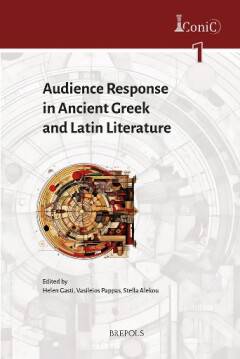
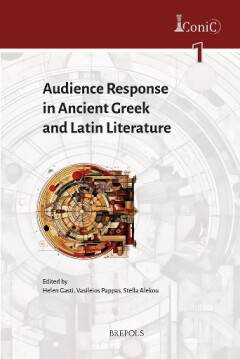
Audience Response in Ancient Greek and Latin Literature
Gasti Helen
€ 95,40
+ 190 punten
Omschrijving
The volume investigates the patterns of audience response across various genres of Greek and Latin literature and concentrates on the various means by which Greek and Latin authors communicated effectively with their audiences. All sections study the relationship between Ancient Greek and Latin texts and their audience(s) (author-audience relationship), offering insights into how the generic identity of the texts affected issues of audience response, and how the cultural background and the contemporary environment affected issues of readership. The topics addressed include the study of audience positions embedded in the texts; internal addressees and external audience; gendered dynamics in audience response; the ways in which "intended" audiences determined the stylistic and compositional choices of the authors; author intention and audience response match; the emphasis on audience / de-emphasis on author; demands and pressures placed on the authors by their audiences. The discussion of various related concepts, as well as contexts and conflicts aims to shed light on the multiple approaches to author-audience relationship. This study revolves, therefore, around the various ways in which ancient authors catered for their audiences by fulfilling, manipulating and frustrating their expectations.
Specificaties
Betrokkenen
- Auteur(s):
- Uitgeverij:
Inhoud
- Aantal bladzijden:
- 390
- Taal:
- Frans
- Reeks:
- Reeksnummer:
- nr. 1
Eigenschappen
- Productcode (EAN):
- 9782503618852
- Verschijningsdatum:
- 11/12/2025
- Uitvoering:
- Hardcover
- Formaat:
- Genaaid
- Afmetingen:
- 178 mm x 254 mm
- Gewicht:
- 1020 g


Alleen bij Standaard Boekhandel
+ 190 punten op je klantenkaart van Standaard Boekhandel
Cadeau

AANGERADEN


Beoordelingen
We publiceren alleen reviews die voldoen aan de voorwaarden voor reviews. Bekijk onze voorwaarden voor reviews.