


- Afhalen na 1 uur in een winkel met voorraad
- Gratis thuislevering in België vanaf € 30
- Ruim aanbod met 7 miljoen producten
- Afhalen na 1 uur in een winkel met voorraad
- Gratis thuislevering in België vanaf € 30
- Ruim aanbod met 7 miljoen producten





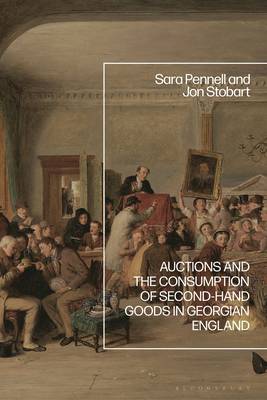
Auctions and the Consumption of Second-Hand Goods in Georgian England
Sara Pennell, Jon Stobart
Hardcover | Engels
€ 195,45
+ 390 punten
Omschrijving
This book provides the first comprehensive examination of household auctions as the key mechanism for recirculating household goods through the 18th and early 19th century. Sara Pennell and Jon Stobart contextualise and historicise the importance of used goods to consumer choices, experiences and identities. They tell the stories of the people and things, as well as the broader processes, practices and attitudes that were bound up in the commercial recirculation of used goods through auctions.
Auctions and the Consumption of Used Goods in Georgian England rebalances the historiography of second-hand consumption - currently dominated by used clothing and the sale of books, art and antiques - and brings second-hand into the mainstream of household consumption. It also explodes the twin myths that second-hand was the last resort of the poor and that it declined rapidly as Britain industrialised and the supply of new consumer goods increased. The book demonstrates that consumer motivations were far more complex than simple financial necessity and household auctions did not fade to the margins; they remained an important part of how households acquired a wide variety of goods and fulfilled a variety of consumer needs.Specificaties
Betrokkenen
- Auteur(s):
- Uitgeverij:
Inhoud
- Aantal bladzijden:
- 312
- Taal:
- Engels
Eigenschappen
- Productcode (EAN):
- 9781350549098
- Verschijningsdatum:
- 22/01/2026
- Uitvoering:
- Hardcover
- Formaat:
- Genaaid
- Afmetingen:
- 156 mm x 234 mm
- Gewicht:
- 612 g


Alleen bij Standaard Boekhandel
+ 390 punten op je klantenkaart van Standaard Boekhandel
Cadeau

AANGERADEN


Beoordelingen
We publiceren alleen reviews die voldoen aan de voorwaarden voor reviews. Bekijk onze voorwaarden voor reviews.