


- Afhalen na 1 uur in een winkel met voorraad
- Gratis thuislevering in België vanaf € 30
- Ruim aanbod met 7 miljoen producten
- Afhalen na 1 uur in een winkel met voorraad
- Gratis thuislevering in België vanaf € 30
- Ruim aanbod met 7 miljoen producten





Omschrijving
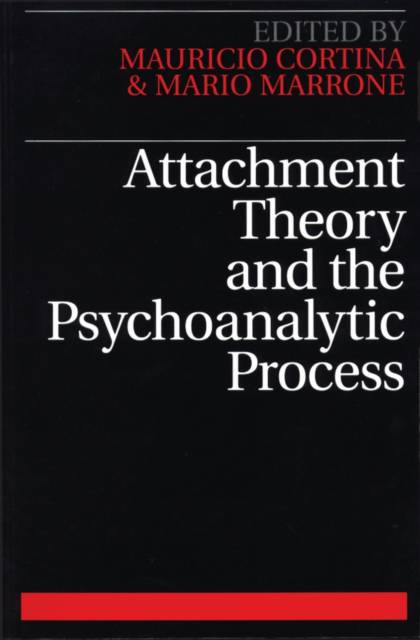
Attachment theory, the brainchild of child psychiatrist and psychoanalysis John Bowlby, has begun to have a worldwide impact among clinicians since 1990. This interest makes a departure from the early fate of attachment theory. At first shunned by the psychoanalytic community, Bowlby's effort to recast basic psychoanalytic concepts within systems theory and a new, ethologically based model of the importance of affectional ties across the life span was taken up by a group of developmental researchers. Empirical research was not only tested and confirmed many basic propositions of attachment theory, but also extended attachment theory in unexpected and creative ways. Bowlby was surprised and gratified by this turn of events, but also disappointed that his intended clinical audience had not taken the theory and run with it.
Specificaties
Betrokkenen
- Auteur(s):
- Uitgeverij:
Inhoud
- Aantal bladzijden:
- 512
- Taal:
- Engels
Eigenschappen
- Productcode (EAN):
- 9781861562876
- Verschijningsdatum:
- 11/04/2008
- Uitvoering:
- Paperback
- Formaat:
- Trade paperback (VS)
- Afmetingen:
- 152 mm x 229 mm
- Gewicht:
- 675 g


Alleen bij Standaard Boekhandel
+ 362 punten op je klantenkaart van Standaard Boekhandel

Beoordelingen
We publiceren alleen reviews die voldoen aan de voorwaarden voor reviews. Bekijk onze voorwaarden voor reviews.