



- Afhalen na 1 uur in een winkel met voorraad
- In januari gratis thuislevering in België
- Ruim aanbod met 7 miljoen producten
- Afhalen na 1 uur in een winkel met voorraad
- In januari gratis thuislevering in België
- Ruim aanbod met 7 miljoen producten





€ 36,45
+ 72 punten
Omschrijving
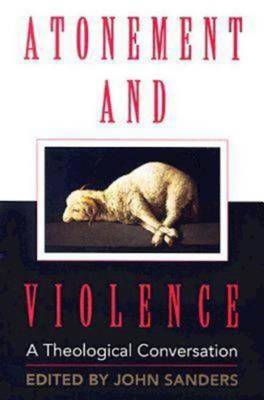
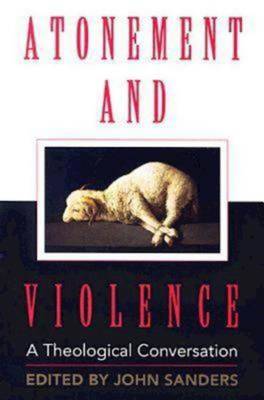
Recent years have witnessed a series of books, articles, and lectures raising serious questions about the Christian doctrine of the Atonement. While coming from a variety of sources, the questions usually center around the central issue of atonement and violence. Doesn't the Atonement promote the idea of violence on the part of God? If so, isn't such violence incompatible with a God of love? Doesn't this doctrine send the wrong signal, excusing and perhaps even promoting such things as child abuse? Is it time to abandon what has become an outmoded and harmful doctrine? The authors of this book claim that to abandon the Christian doctrine of the Atonement is to abandon the central witness of the gospel, for atonement speaks of nothing less than God's reconciliation of the world in the life, death, and resurrection of Jesus Christ. However, to believe in the atoning death of Jesus Christ does not mean that one believes that God has engaged in cosmic child abuse. Drawing on the classical theories of the Atonement, engaging in creative theological construction, they present set of cogent, cohesive alternatives to either rejecting the doctrine out of hand, or uncritically accepting it. Contributors include: J. Denny Weaver, Bluffton University: "Narrative Christus Victor: The Answer to Anselmian Atonement Violence"; Thomas Finger, Associated Mennonite Seminary: "Christus Victor as Nonviolent Atonement"; Hans Boersma, Regent College, Vancouver, British Columbia: "Violence, the Cross, and Divine Intentionality: A Modified Reformed View"; and T. Scott Daniels, Pasadena First Church of the Nazarene: "Passing the Peace: Worship That Shapes Nonsubstitutionary Convictions."
Specificaties
Betrokkenen
- Auteur(s):
- Uitgeverij:
Inhoud
- Aantal bladzijden:
- 170
- Taal:
- Engels
Eigenschappen
- Productcode (EAN):
- 9780687342945
- Verschijningsdatum:
- 1/11/2006
- Uitvoering:
- Paperback
- Formaat:
- Trade paperback (VS)
- Afmetingen:
- 150 mm x 224 mm
- Gewicht:
- 249 g


Alleen bij Standaard Boekhandel
+ 72 punten op je klantenkaart van Standaard Boekhandel
Cadeau

AANGERADEN


Beoordelingen
We publiceren alleen reviews die voldoen aan de voorwaarden voor reviews. Bekijk onze voorwaarden voor reviews.