


- Afhalen na 1 uur in een winkel met voorraad
- Gratis thuislevering in België vanaf € 30
- Ruim aanbod met 7 miljoen producten
- Afhalen na 1 uur in een winkel met voorraad
- Gratis thuislevering in België vanaf € 30
- Ruim aanbod met 7 miljoen producten





€ 27,95
+ 55 punten
Uitvoering
Omschrijving
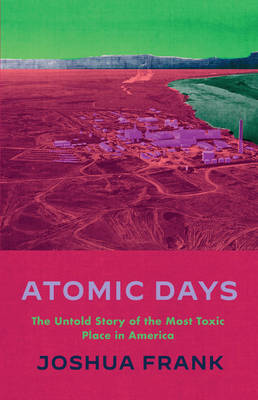
Once home to the United States's largest plutonium production site, the Hanford Nuclear Reservation in Washington state is laced with 56 million gallons of radioactive waste. The threat of an explosive accident at Hanford is all too real--an event that could be more catastrophic than Chernobyl.
The EPA designated Hanford the most toxic place in America; it is also the most expensive environmental clean-up job the world has ever seen, with a $677 billion price tag that keeps growing. Huge underground tanks, well past their life expectancy and full of boiling radioactive gunk, are leaking, infecting groundwater supplies and threatening the Columbia River.
Whistleblowers, worried that the worst is ahead, are now speaking out, begging to be heard and hoping their pleas help bring attention to the dire situation at Hanford. Aside from a few feisty community groups and handful of Indigenous activists, there is very little public scrutiny of the clean-up process, which is managed by the Department of Energy and carried out by contractors with shoddy track records, like Bechtel. In the context of renewed support for atomic power as a means of combating climate change, Atomic Days provides a much-needed refutation of the myths of nuclear technology--from weapons to electricity--and shines a spotlight on the ravages of Hanford and its threat to communities, workers and the global environment.
The EPA designated Hanford the most toxic place in America; it is also the most expensive environmental clean-up job the world has ever seen, with a $677 billion price tag that keeps growing. Huge underground tanks, well past their life expectancy and full of boiling radioactive gunk, are leaking, infecting groundwater supplies and threatening the Columbia River.
Whistleblowers, worried that the worst is ahead, are now speaking out, begging to be heard and hoping their pleas help bring attention to the dire situation at Hanford. Aside from a few feisty community groups and handful of Indigenous activists, there is very little public scrutiny of the clean-up process, which is managed by the Department of Energy and carried out by contractors with shoddy track records, like Bechtel. In the context of renewed support for atomic power as a means of combating climate change, Atomic Days provides a much-needed refutation of the myths of nuclear technology--from weapons to electricity--and shines a spotlight on the ravages of Hanford and its threat to communities, workers and the global environment.
Specificaties
Betrokkenen
- Auteur(s):
- Uitgeverij:
Inhoud
- Aantal bladzijden:
- 258
- Taal:
- Engels
Eigenschappen
- Productcode (EAN):
- 9781642598285
- Verschijningsdatum:
- 11/10/2022
- Uitvoering:
- Paperback
- Formaat:
- Trade paperback (VS)
- Afmetingen:
- 140 mm x 213 mm
- Gewicht:
- 362 g


Alleen bij Standaard Boekhandel
+ 55 punten op je klantenkaart van Standaard Boekhandel
Cadeau

AANGERADEN


Beoordelingen
We publiceren alleen reviews die voldoen aan de voorwaarden voor reviews. Bekijk onze voorwaarden voor reviews.