


- Afhalen na 1 uur in een winkel met voorraad
- Gratis thuislevering in België vanaf € 30
- Ruim aanbod met 7 miljoen producten
- Afhalen na 1 uur in een winkel met voorraad
- Gratis thuislevering in België vanaf € 30
- Ruim aanbod met 7 miljoen producten





€ 140,95
+ 281 punten
Omschrijving
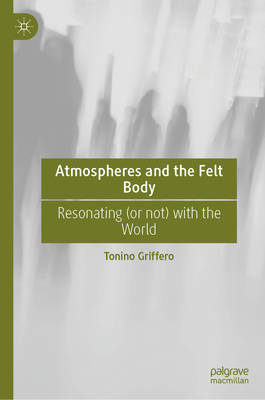
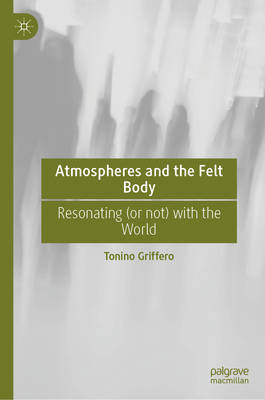
The book offers the first comprehensive account of how atmospheric feelings--those pervasive quasi-things that shape our lived spaces--are experienced in the perceiver's felt body. Drawing on neo-phenomenology and pathic aesthetics, Tonino Griffero explores the still underexamined link between atmospheres and embodied resonance, moving beyond the notion of feelings as internal states to reveal their objective presence in the lived space that surrounds us.
The book combines rigorous theoretical analysis with case studies on pathic experience, the power of images, aesthetic and artistic experience, immersivity and in-betweenness, embodied habits, decision-making, landscape, ruins, and cinema, thereby demonstrating the practical and diagnostic value of atmospherology.
By reframing aesthetics as a philosophy of sensible knowledge and emphasizing "pathic experience" (how we passively undergo what happens to us), Griffero challenges cognitively centered paradigms and offers a new lens for understanding collective emotions, immersive art, and environmental affordances.
This work is essential reading for scholars in philosophy, aesthetics, cultural and media studies, and architecture, as well as for professionals seeking to grasp the affective forces shaping human experience.
The book combines rigorous theoretical analysis with case studies on pathic experience, the power of images, aesthetic and artistic experience, immersivity and in-betweenness, embodied habits, decision-making, landscape, ruins, and cinema, thereby demonstrating the practical and diagnostic value of atmospherology.
By reframing aesthetics as a philosophy of sensible knowledge and emphasizing "pathic experience" (how we passively undergo what happens to us), Griffero challenges cognitively centered paradigms and offers a new lens for understanding collective emotions, immersive art, and environmental affordances.
This work is essential reading for scholars in philosophy, aesthetics, cultural and media studies, and architecture, as well as for professionals seeking to grasp the affective forces shaping human experience.
Specificaties
Betrokkenen
- Auteur(s):
- Uitgeverij:
Inhoud
- Aantal bladzijden:
- 247
- Taal:
- Engels
Eigenschappen
- Productcode (EAN):
- 9783032186669
- Verschijningsdatum:
- 26/06/2026
- Uitvoering:
- Hardcover
- Formaat:
- Genaaid
- Afmetingen:
- 155 mm x 235 mm


Alleen bij Standaard Boekhandel
+ 281 punten op je klantenkaart van Standaard Boekhandel
Cadeau

AANGERADEN


Beoordelingen
We publiceren alleen reviews die voldoen aan de voorwaarden voor reviews. Bekijk onze voorwaarden voor reviews.