


- Afhalen na 1 uur in een winkel met voorraad
- Gratis thuislevering in België vanaf € 30
- Ruim aanbod met 7 miljoen producten
- Afhalen na 1 uur in een winkel met voorraad
- Gratis thuislevering in België vanaf € 30
- Ruim aanbod met 7 miljoen producten




Omschrijving
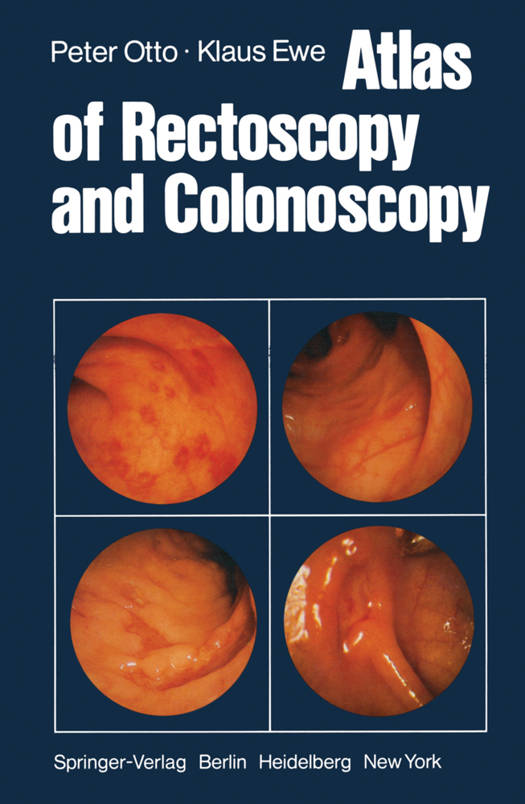
The first portion of this work is devoted to a consideration of the practical aspects of the proctoscopic examination and thus presents the indications for performing a proctologic evaluation, the information that may be obtained from the patient's medical history, an example of a preprinted data form for use in the recording of the physician's findings, the preparation and positioning of the patient, and the preliminary examination of the anus including the digital rectal examination. The instruments needed to perform proctoscopy are uncomplicated, and the basic tools are inexpensive. The instruments currently available do not really differ from each other except in minor details. In the text, therefore, we have only described the prototype instruments, and details about the pro- posed advantages of any particular instrument can be obtained from its manufac- turer. The concluding portion of the text describes how the proctoscopic and colonoscopic examinations are performed. The atlas itself is a topographical stratification of the various diseases that may involve the perianal region, the anus, and the adjacent portions of the large bowel as well as their classification according to morphologic criteria, for example, inflammatory bowel diseases and tumors. Since many pathologic findings in the rectum and sigmoid colon are comparable to those in the upper portions of the large bowel, a duplication of these proctoscopic and colonoscopic illustrations has been avoided.
Specificaties


Alleen bij Standaard Boekhandel
+ 254 punten op je klantenkaart van Standaard Boekhandel
Wedstrijd


Beoordelingen
We publiceren alleen reviews die voldoen aan de voorwaarden voor reviews. Bekijk onze voorwaarden voor reviews.