


- Afhalen na 1 uur in een winkel met voorraad
- Gratis thuislevering in België vanaf € 30
- Ruim aanbod met 7 miljoen producten
- Afhalen na 1 uur in een winkel met voorraad
- Gratis thuislevering in België vanaf € 30
- Ruim aanbod met 7 miljoen producten





€ 104,95
+ 209 punten
Omschrijving
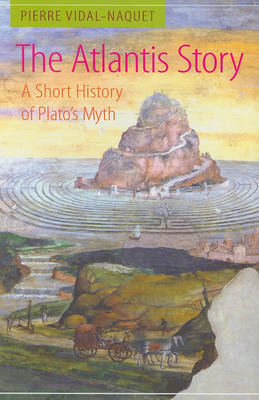
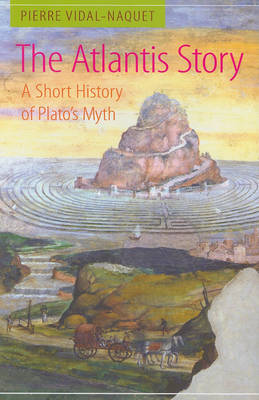
This is the history of the development through the ages of Plato's "Atlantis" story - the imperialist island state that disappeared in a cataclysm, leaving Athens to survive it...Instead of simply focusing on the various attempts to 'find' Atlantis - all of which are futile for the very good reason that Plato made the island up - the author re-examines the very different uses made of the myth in different contexts and periods. He shows how Plato's myth was reinterpreted in the medieval period and after through conflation with the search for the lost tribes of Israel; how it became involved with the debate about whether Europe should look back to its origins in the Classical or Biblical worlds; how the myth was reinterpreted with a more geographical emphasis following Columbus' discovery of America; and how it was used in the "Enlightenment" to add colour to nationalist attempts to claim antiquity by finding unrecognised origins. Written in a clear and interesting way, Pierre Vidal-Naquet's original ideas rest on deep knowledge supported by primary references and illustrations.
Specificaties
Betrokkenen
- Auteur(s):
- Vertaler(s):
- Uitgeverij:
Inhoud
- Aantal bladzijden:
- 216
- Taal:
- Engels
Eigenschappen
- Productcode (EAN):
- 9780859898058
- Verschijningsdatum:
- 15/11/2007
- Uitvoering:
- Hardcover
- Formaat:
- Ongenaaid / garenloos gebonden
- Afmetingen:
- 161 mm x 231 mm
- Gewicht:
- 489 g


Alleen bij Standaard Boekhandel
+ 209 punten op je klantenkaart van Standaard Boekhandel
Cadeau

AANGERADEN


Beoordelingen
We publiceren alleen reviews die voldoen aan de voorwaarden voor reviews. Bekijk onze voorwaarden voor reviews.