


- Afhalen na 1 uur in een winkel met voorraad
- Gratis thuislevering in België vanaf € 30
- Ruim aanbod met 7 miljoen producten
- Afhalen na 1 uur in een winkel met voorraad
- Gratis thuislevering in België vanaf € 30
- Ruim aanbod met 7 miljoen producten





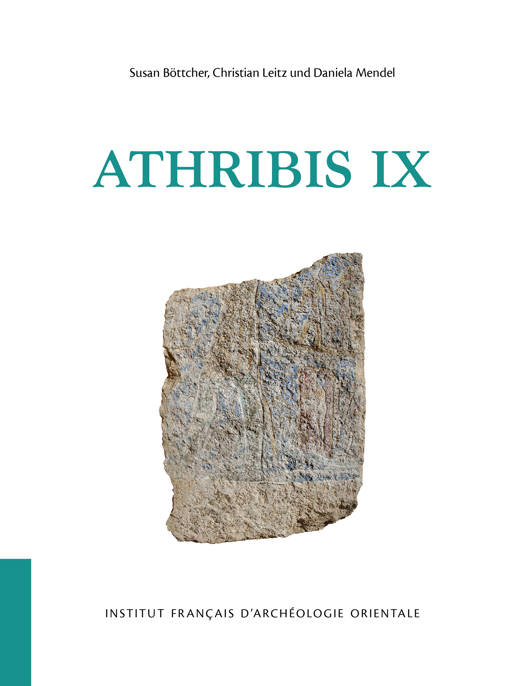
Athribis IX
Die Fassade, der Pronaos, der Querraum und die dekorierten Blöcke und Fragmente des Tempels Ptolemaios XII
Susan Bottcher, Christian Leitz, Daniela Mendel
€ 52,00
+ 104 punten
Omschrijving
The images left on various media by the pre-pharaonic culture of Nagada, Egypt, in the 4th millennium are abundant and of high quality. However, they are not always easy to understand or interpret. The bowls and vases from Nagada I (3900-3700 BC), to which this study is devoted, are dark red in color and decorated with simple geometric shapes painted in white. For a long time, these repetitive, monotonous compositions have discouraged researchers and made interpretation difficult. It may even be thought that we are dealing with an ornamental composition devoid of any meaning. The present study re-examines this often neglected group of objects. To this end, a vast corpus of objects was collected and analyzed. To understand these non-figurative decorations, it was first necessary to devise appropriate methods and conceptual tools drawn from anthropology, linguistics and statistics. The completed study goes beyond the strict framework of Egyptian predynastic iconography to propose an archaeology of the graphic sign.
Specificaties
Betrokkenen
- Auteur(s):
- Uitgeverij:
Inhoud
- Aantal bladzijden:
- 524
- Taal:
- Duits
- Reeks:
- Reeksnummer:
- nr. 9
Eigenschappen
- Productcode (EAN):
- 9782724710854
- Verschijningsdatum:
- 31/12/2025
- Uitvoering:
- Hardcover
- Formaat:
- Genaaid
- Afmetingen:
- 222 mm x 287 mm
- Gewicht:
- 675 g


Alleen bij Standaard Boekhandel
+ 104 punten op je klantenkaart van Standaard Boekhandel
Cadeau

AANGERADEN


Beoordelingen
We publiceren alleen reviews die voldoen aan de voorwaarden voor reviews. Bekijk onze voorwaarden voor reviews.