


- Afhalen na 1 uur in een winkel met voorraad
- Gratis thuislevering in België vanaf € 30
- Ruim aanbod met 7 miljoen producten
- Afhalen na 1 uur in een winkel met voorraad
- Gratis thuislevering in België vanaf € 30
- Ruim aanbod met 7 miljoen producten





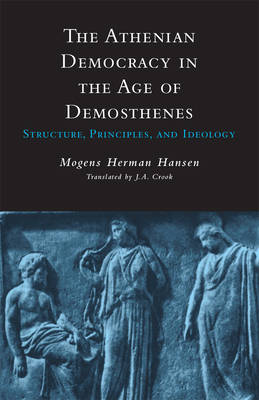
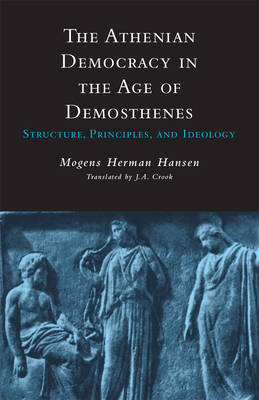
Athenian Democracy in the Age of Demosthenes
Structure, Principles, and Ideology
Mogens Herman Hansen
Paperback | Engels
€ 45,95
+ 91 punten
Uitvoering
Eenvoudig bestellen
Veilig betalen


Gratis thuislevering vanaf € 30 (via bpost)
Gratis levering in je Standaard Boekhandel
Omschrijving
The Athenian democracy of the fifth and fourth centuries B.C. is the most famous and perhaps the most nearly perfect example of direct democracy. Covering the period 403-322 B.C., Mogens Herman Hansen focuses on the crucial last thirty years, which coincided with the political career of Demosthenes. Hansen distinguishes between the city's seven political institutions: the Assembly, the nomothetai, the People's Court, the boards of magistrates, the Council of Five Hundred, the Areopagos, and ho boulomenos. He discusses how Athenians conceived liberty both as the ability to participate in the decision-making process and as the right to live without oppression from the state or other citizens.
Specificaties
Betrokkenen
- Auteur(s):
- Uitgeverij:
Inhoud
- Aantal bladzijden:
- 464
- Taal:
- Engels
Eigenschappen
- Productcode (EAN):
- 9780806131436
- Verschijningsdatum:
- 15/03/1999
- Uitvoering:
- Paperback
- Formaat:
- Trade paperback (VS)
- Afmetingen:
- 140 mm x 217 mm
- Gewicht:
- 589 g


Alleen bij Standaard Boekhandel
+ 91 punten op je klantenkaart van Standaard Boekhandel
CADEAU

AANGERADEN


Beoordelingen
We publiceren alleen reviews die voldoen aan de voorwaarden voor reviews. Bekijk onze voorwaarden voor reviews.