


- Afhalen na 1 uur in een winkel met voorraad
- Gratis thuislevering in België vanaf € 30
- Ruim aanbod met 7 miljoen producten
- Afhalen na 1 uur in een winkel met voorraad
- Gratis thuislevering in België vanaf € 30
- Ruim aanbod met 7 miljoen producten





€ 12,71
+ 12 punten
Omschrijving
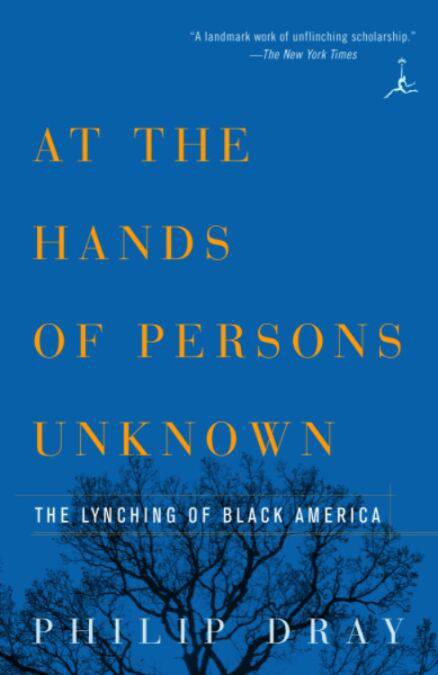
WINNER OF THE SOUTHERN BOOK CRITICS CIRCLE AWARD FOR NONFICTION • “A landmark work of unflinching scholarship.”—The New York Times
This extraordinary account of lynching in America, by acclaimed civil rights historian Philip Dray, shines a clear, bright light on American history’s darkest stain—illuminating its causes, perpetrators, apologists, and victims. Philip Dray also tells the story of the men and women who led the long and difficult fight to expose and eradicate lynching, including Ida B. Wells, James Weldon Johnson, Walter White, and W.E.B. Du Bois. If lynching is emblematic of what is worst about America, their fight may stand for what is best: the commitment to justice and fairness and the conviction that one individual’s sense of right can suffice to defy the gravest of wrongs. This landmark book follows the trajectory of both forces over American history—and makes lynching’s legacy belong to us all.
Praise for At the Hands of Persons Unknown
“In this history of lynching in the post-Reconstruction South—the most comprehensive of its kind—the author has written what amounts to a Black Book of American race relations.”—The New Yorker
“A powerfully written, admirably perceptive synthesis of the vast literature on lynching. It is the most comprehensive social history of this shameful subject in almost seventy years and should be recognized as a major addition to the bibliography of American race relations.”—David Levering Lewis
“An important and courageous book, well written, meticulously researched, and carefully argued.”—The Boston Globe
“You don’t really know what lynching was until you read Dray’s ghastly accounts of public butchery and official complicity.”—Time
This extraordinary account of lynching in America, by acclaimed civil rights historian Philip Dray, shines a clear, bright light on American history’s darkest stain—illuminating its causes, perpetrators, apologists, and victims. Philip Dray also tells the story of the men and women who led the long and difficult fight to expose and eradicate lynching, including Ida B. Wells, James Weldon Johnson, Walter White, and W.E.B. Du Bois. If lynching is emblematic of what is worst about America, their fight may stand for what is best: the commitment to justice and fairness and the conviction that one individual’s sense of right can suffice to defy the gravest of wrongs. This landmark book follows the trajectory of both forces over American history—and makes lynching’s legacy belong to us all.
Praise for At the Hands of Persons Unknown
“In this history of lynching in the post-Reconstruction South—the most comprehensive of its kind—the author has written what amounts to a Black Book of American race relations.”—The New Yorker
“A powerfully written, admirably perceptive synthesis of the vast literature on lynching. It is the most comprehensive social history of this shameful subject in almost seventy years and should be recognized as a major addition to the bibliography of American race relations.”—David Levering Lewis
“An important and courageous book, well written, meticulously researched, and carefully argued.”—The Boston Globe
“You don’t really know what lynching was until you read Dray’s ghastly accounts of public butchery and official complicity.”—Time
Specificaties
Betrokkenen
- Auteur(s):
- Uitgeverij:
Inhoud
- Aantal bladzijden:
- 544
- Taal:
- Engels
Eigenschappen
- Productcode (EAN):
- 9780307430663
- Verschijningsdatum:
- 17/12/2007
- Uitvoering:
- E-book
- Beveiligd met:
- Adobe DRM
- Formaat:
- ePub


Alleen bij Standaard Boekhandel
+ 12 punten op je klantenkaart van Standaard Boekhandel
Wedstrijd


Beoordelingen
We publiceren alleen reviews die voldoen aan de voorwaarden voor reviews. Bekijk onze voorwaarden voor reviews.