


- Afhalen na 1 uur in een winkel met voorraad
- Gratis thuislevering in België vanaf € 30
- Ruim aanbod met 7 miljoen producten
- Afhalen na 1 uur in een winkel met voorraad
- Gratis thuislevering in België vanaf € 30
- Ruim aanbod met 7 miljoen producten





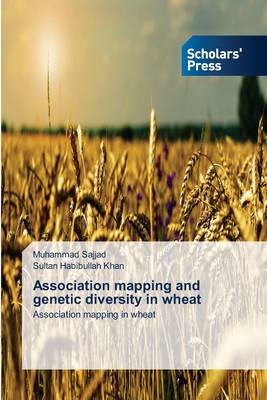
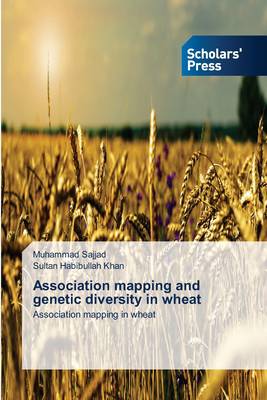
Association mapping and genetic diversity in wheat
Association mapping in wheat
Muhammad Sajjad, Sultan Habibullah Khan
Paperback | Engels
€ 78,95
+ 157 punten
Omschrijving
The book is about genetic diversity, population structure, linkage disequilibrium and marker-trait association in bread wheat. Genetic diversity providing the basic substrate for evolution is very important for the long-standing survival of species and their ability to adapt to ever-changing environments. Therefore, a comprehensive detail about data analysis, statistical measures and their interpretations to assess and understand the implications of genetic diversity has been included. Correlation analysis and principal component analysis have also been discussed. Mapping genes underlying a specific trait offers an opportunity for plant breeders to apply marker assisted selection(MAS). Two most commonly used QTL-mapping approaches have been compared for their comparative pros and cons. Population structure and linkage disequilibrium have been discussed regarding their implications for marker-trait associations. The book will be useful for under and post graduate students to plan, conduct and write research projects on genetic diversity, linkage disequilibrium and association mapping in plants.
Specificaties
Betrokkenen
- Auteur(s):
- Uitgeverij:
Inhoud
- Aantal bladzijden:
- 192
- Taal:
- Engels
Eigenschappen
- Productcode (EAN):
- 9783639700572
- Verschijningsdatum:
- 30/07/2014
- Uitvoering:
- Paperback
- Afmetingen:
- 150 mm x 220 mm
- Gewicht:
- 290 g


Alleen bij Standaard Boekhandel
+ 157 punten op je klantenkaart van Standaard Boekhandel
Cadeau

AANGERADEN


Beoordelingen
We publiceren alleen reviews die voldoen aan de voorwaarden voor reviews. Bekijk onze voorwaarden voor reviews.