


- Afhalen na 1 uur in een winkel met voorraad
- Gratis thuislevering in België vanaf € 30
- Ruim aanbod met 7 miljoen producten
- Afhalen na 1 uur in een winkel met voorraad
- Gratis thuislevering in België vanaf € 30
- Ruim aanbod met 7 miljoen producten





€ 50,95
+ 101 punten
Eenvoudig bestellen
Veilig betalen


Gratis thuislevering vanaf € 30 (via bpost)
Gratis levering in je Standaard Boekhandel
Omschrijving
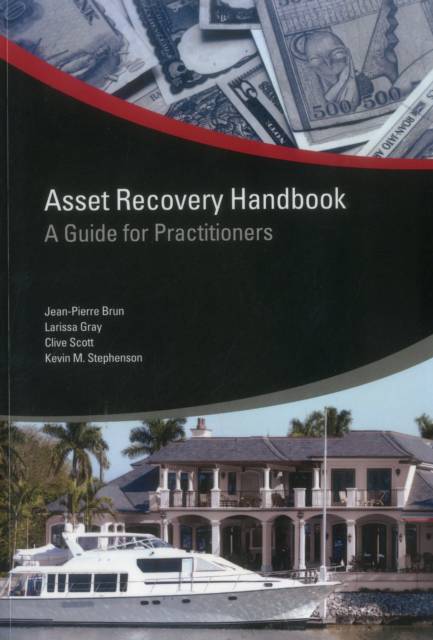
Developing countries lose an estimated US$20-40 billion each year through bribery, misappropriation of funds, and other corrupt practices. Much of the proceeds of this corruption find "safe haven" in the world's financial centers. These criminal flows are a drain on social services and economic development programs, contributing to the impoverishment of the world's poorest countries. Many developing countries have already sought to recover stolen assets. A number of successful high-profile cases with creative international cooperation have demonstrated that asset recovery is possible. However, it is highly complex, involving coordination and collaboration with domestic agencies and ministries in multiple jurisdictions, as well as the capacity to trace and secure assets and pursue various legal options-whether criminal confiscation, non-conviction based confiscation, civil actions, or other alternatives. This process can be overwhelming for even the most experienced of practitioners. It is exceptionally difficult for those working in the context of failed states, widespread corruption, or limited resources. With this in mind, the Stolen Asset Recovery (StAR) Initiative has developed the Asset Recovery Handbook: A Guide for Practitioners to guide those grappling with the strategic, organizational, investigative, and legal challenges of recovering stolen assets. A practitioner-led project, the Handbook provides common approaches to recovering stolen assets located in foreign jurisdictions, identifies the challenges that practitioners are likely to encounter, and introduces good practices. Included are examples of tools that can be used by practitioners, such as sample intelligence reports, applications for court orders, and mutual legal assistance requests.
Specificaties
Betrokkenen
- Auteur(s):
- Uitgeverij:
Inhoud
- Aantal bladzijden:
- 282
- Taal:
- Engels
- Reeks:
Eigenschappen
- Productcode (EAN):
- 9780821386347
- Verschijningsdatum:
- 18/01/2011
- Uitvoering:
- Paperback
- Formaat:
- Trade paperback (VS)
- Afmetingen:
- 178 mm x 254 mm
- Gewicht:
- 494 g



Alleen bij Standaard Boekhandel
+ 101 punten op je klantenkaart van Standaard Boekhandel
CADEAU

AANGERADEN


Beoordelingen
We publiceren alleen reviews die voldoen aan de voorwaarden voor reviews. Bekijk onze voorwaarden voor reviews.