


- Afhalen na 1 uur in een winkel met voorraad
- Gratis thuislevering in België vanaf € 30
- Ruim aanbod met 7 miljoen producten
- Afhalen na 1 uur in een winkel met voorraad
- Gratis thuislevering in België vanaf € 30
- Ruim aanbod met 7 miljoen producten





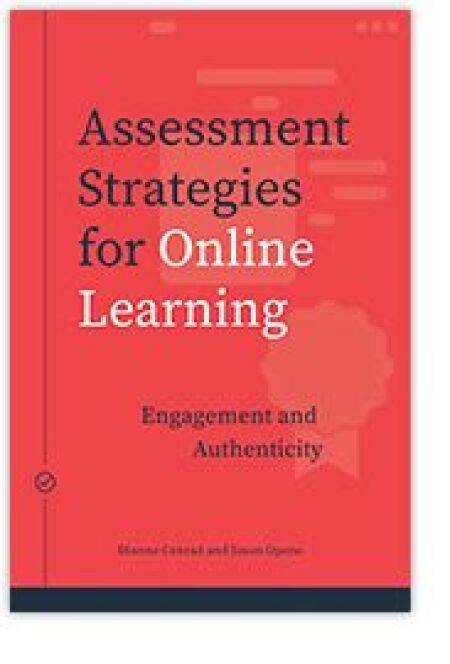
Assessment Strategies for Online Learning E-BOOK
Engagement and Authenticity
Dianne Conrad, Jason Openo
€ 21,99
+ 21 punten
Omschrijving
For many learners assessment conjures up visions of red pens scrawling percentages in the top right-hand corner of exams and feelings of stress, inadequacy, and failure. Although negative student reactions to evaluation have been noted, assessment has provided educational institutions with important information about learning outcomes and the quality of education for many decades. But how accurate is this data and has it informed practice or been fully incorporated into the learning cycle? Conrad and Open argue that the potential in many of the new learning environments to alter and improve assesment has yet to be explored by educators and students.
In their investigation of assessment methods and learning approaches, Conrad and Openo aim to explore assessment that engages learners and authentically evaluates education. They insist that moving to new learning environments, specifically those online and at a distance, afford educators opportunities to embrace only the most effective face-to-face assessment methods and to realize the potential of delivering education in the digital age. In this volume practitioners will find not only an indispensable introduction to new forms of assessment but also a number of best practices as described by experienced educators.
In their investigation of assessment methods and learning approaches, Conrad and Openo aim to explore assessment that engages learners and authentically evaluates education. They insist that moving to new learning environments, specifically those online and at a distance, afford educators opportunities to embrace only the most effective face-to-face assessment methods and to realize the potential of delivering education in the digital age. In this volume practitioners will find not only an indispensable introduction to new forms of assessment but also a number of best practices as described by experienced educators.
Specificaties
Betrokkenen
- Auteur(s):
- Uitgeverij:
Inhoud
- Aantal bladzijden:
- 220
- Taal:
- Engels
- Reeks:
Eigenschappen
- Productcode (EAN):
- 9781771992343
- Verschijningsdatum:
- 15/07/2018
- Uitvoering:
- E-book
- Beveiligd met:
- Digital watermarking
- Formaat:
- ePub


Alleen bij Standaard Boekhandel
+ 21 punten op je klantenkaart van Standaard Boekhandel
Cadeau

AANGERADEN


Beoordelingen
We publiceren alleen reviews die voldoen aan de voorwaarden voor reviews. Bekijk onze voorwaarden voor reviews.