



- Afhalen na 1 uur in een winkel met voorraad
- In januari gratis thuislevering in België
- Ruim aanbod met 7 miljoen producten
- Afhalen na 1 uur in een winkel met voorraad
- In januari gratis thuislevering in België
- Ruim aanbod met 7 miljoen producten





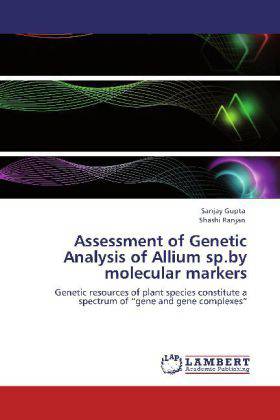
Assessment of Genetic Analysis of Allium sp.by molecular markers
Genetic resources of plant species constitute a spectrum of gene and gene complexes
Sanjay Gupta, Shashi Ranjan
Paperback | Engels
€ 67,45
+ 134 punten
Omschrijving
The advent of DNA marker technology has revolutionized the field of genetics. Although phenotypic or morphological markers and later isozyme (protein) markers have dominated the field of classical genetics for more than a century, the introduction of DNA-based markers during the second half of twentieth century changed the pace and precision of genetic analysis. Plant improvement work which is generally based on the breeding and progeny testing followed by selection of the desired traits, at present could not produce the desired results. Thus, the need arises to have an alternative method for the evaluation of the genetic structure of the plant species. The molecular markers offer alternatives to conventional germplasm improvement techniques. Molecular techniques used to identify genetic variation in plant populations may result in the recognition of new taxa or varieties and at the same time provide the tools for their identification. Many opportunities of using biotechnology in plant breeding have been identified, most of which have application to the urgent problems of the improvement of medicinal plants.
Specificaties
Betrokkenen
- Auteur(s):
- Uitgeverij:
Inhoud
- Aantal bladzijden:
- 192
- Taal:
- Engels
Eigenschappen
- Productcode (EAN):
- 9783846584002
- Verschijningsdatum:
- 22/02/2012
- Uitvoering:
- Paperback
- Afmetingen:
- 152 mm x 220 mm
- Gewicht:
- 290 g


Alleen bij Standaard Boekhandel
+ 134 punten op je klantenkaart van Standaard Boekhandel
Cadeau

AANGERADEN


Beoordelingen
We publiceren alleen reviews die voldoen aan de voorwaarden voor reviews. Bekijk onze voorwaarden voor reviews.