


- Afhalen na 1 uur in een winkel met voorraad
- Gratis thuislevering in België vanaf € 30
- Ruim aanbod met 7 miljoen producten
- Afhalen na 1 uur in een winkel met voorraad
- Gratis thuislevering in België vanaf € 30
- Ruim aanbod met 7 miljoen producten





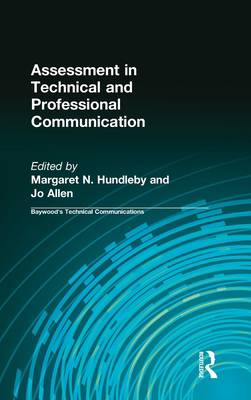
Assessment in Technical and Professional Communication
€ 343,45
+ 686 punten
Eenvoudig bestellen
Veilig betalen


Gratis thuislevering vanaf € 30 (via bpost)
Gratis levering in je Standaard Boekhandel
Omschrijving
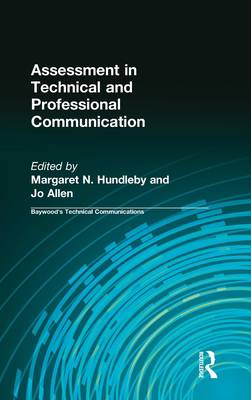
This collection of essays focuses on both how and why assessment serves as a key element in the teaching and practice of technical and professional communication. The collection is organized to form a dual approach: on the one hand, it offers a landscape view of the activities involved in assessment - examining how it works at institutional, program, and classroom levels; on the other, it surveys the implications of using assessment for formulating, maintaining, and extending the teaching and practice of technical communication. The book offers teachers, students, scholars, and practitioners alike evidence of the increasingly valuable role of assessment in the field, as it supports and enriches our thinking and practice. No other volume has addressed the demands of and the expectations for assessment in technical communication. Consequently, the book has two key goals. The first is to be as inclusive as is feasible for its size, demonstrating the global operation of assessment in the field. For this reason, descriptions of assessment practice lead to examinations of some key feature of the landscape captured by the term 'technical communication'. The second goal is to retain the public and cooperative approach that has characterized technical communication from the beginning. To achieve this, the book represents a 'conversation', with contributors chosen from among practicing, highly active technical communication teachers and scholars; and the chapters set up pairs of opening statement and following response. The overriding purpose of the volume, therefore, is to invite the whole community into the conversation about assessment in technical communication.
Specificaties
Betrokkenen
- Uitgeverij:
Inhoud
- Aantal bladzijden:
- 242
- Taal:
- Engels
- Reeks:
Eigenschappen
- Productcode (EAN):
- 9780895033796
- Verschijningsdatum:
- 15/03/2010
- Uitvoering:
- Hardcover
- Formaat:
- Genaaid
- Afmetingen:
- 152 mm x 229 mm
- Gewicht:
- 494 g

Alleen bij Standaard Boekhandel
+ 686 punten op je klantenkaart van Standaard Boekhandel
CADEAU

AANGERADEN


Beoordelingen
We publiceren alleen reviews die voldoen aan de voorwaarden voor reviews. Bekijk onze voorwaarden voor reviews.