


- Afhalen na 1 uur in een winkel met voorraad
- Gratis thuislevering in België vanaf € 30
- Ruim aanbod met 7 miljoen producten
- Afhalen na 1 uur in een winkel met voorraad
- Gratis thuislevering in België vanaf € 30
- Ruim aanbod met 7 miljoen producten





€ 104,95
+ 209 punten
Omschrijving
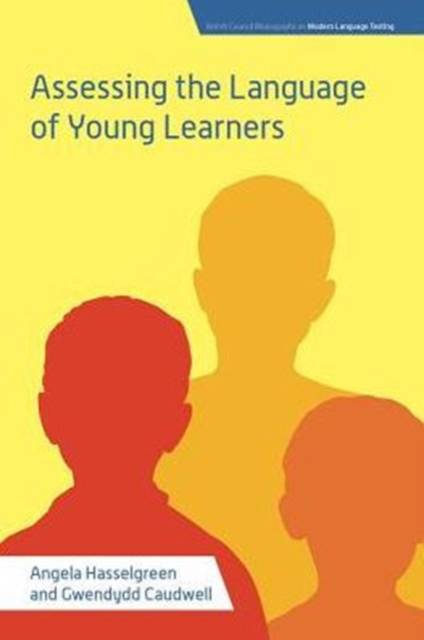
This volume offers new insights into the assessment of the language of Young Learners (YLs). YLs are defined here as being from 5 to 17 years, and are treated as three distinct subgroups: younger children (5/6 to 8/9 years), older children (8/9 to 12/13 years) and teenagers (12/13 to 17 years). The first half addresses fundamental issues, beginning with the characteristics of YLs and how these are manifested in first language development. The authors consider the potential ability of each age group to perform in a second or foreign language, proposing a rough age-related correspondence with CEFR levels. Finally, principles of assessment, specifically formative assessment and testing, are presented in the light of linguistic, cognitive and social development. The second half focuses on testing a range of 'skills'. Theoretical models of performance are introduced, followed by a practical analysis of approaches to the testing of each skill for the three age groups, illustrated with examples. The authors conclude by summing up developmental characteristics of each age group, and their implications for language testing. The book is intended for a wide readership within the field of teaching and assessing the language of young learners. Researchers are offered scope for further investigation of what emerges from the discussion, while practitioners will hopefully find support in their day-to-day work with YLs.
Specificaties
Betrokkenen
- Auteur(s):
- Uitgeverij:
Inhoud
- Aantal bladzijden:
- 220
- Taal:
- Engels
- Reeks:
Eigenschappen
- Productcode (EAN):
- 9781781794692
- Verschijningsdatum:
- 01/11/2016
- Uitvoering:
- Hardcover
- Formaat:
- Genaaid
- Afmetingen:
- 155 mm x 236 mm
- Gewicht:
- 408 g


Alleen bij Standaard Boekhandel
+ 209 punten op je klantenkaart van Standaard Boekhandel
Cadeau

AANGERADEN


Beoordelingen
We publiceren alleen reviews die voldoen aan de voorwaarden voor reviews. Bekijk onze voorwaarden voor reviews.