


- Afhalen na 1 uur in een winkel met voorraad
- Gratis thuislevering in België vanaf € 30
- Ruim aanbod met 7 miljoen producten
- Afhalen na 1 uur in een winkel met voorraad
- Gratis thuislevering in België vanaf € 30
- Ruim aanbod met 7 miljoen producten





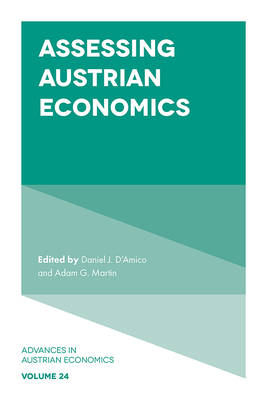
Assessing Austrian Economics
€ 180,45
+ 360 punten
Omschrijving
The modern school of Austrian economics took shape in the 1970s, and reflects the social science questions of its time. Is it still relevant today, considering that the theories that drive contemporary social science have evolved dramatically over the past few decades? While Austrian concerns such as property rights and imperfect cognition have become more common, other aspects of the Austrian thought are even more idiosyncratic than ever.
In the ten chapters included here, leading economists explore whether Austrian economics still has unique insights to offer the world of today. Starting with Peter Boettke's lead essay, "What is Wrong with Austrian Economics?", chapters include an array of perspectives responding to this question, ranging from economics, to intellectual history, to political science, and to philosophy. At the end of the volume, Boettke offers a rejoinder, asking, "What is Right About Austrian Economics?"
Together, these essays explore the barriers to the spread of Austrian ideas, ask which disciplines might be receptive to them, examine the role of ideology and funding in helping and hindering the school, and consider the advantages and disadvantages of different strategies for expanding engagement with other scholars.
In the ten chapters included here, leading economists explore whether Austrian economics still has unique insights to offer the world of today. Starting with Peter Boettke's lead essay, "What is Wrong with Austrian Economics?", chapters include an array of perspectives responding to this question, ranging from economics, to intellectual history, to political science, and to philosophy. At the end of the volume, Boettke offers a rejoinder, asking, "What is Right About Austrian Economics?"
Together, these essays explore the barriers to the spread of Austrian ideas, ask which disciplines might be receptive to them, examine the role of ideology and funding in helping and hindering the school, and consider the advantages and disadvantages of different strategies for expanding engagement with other scholars.
Specificaties
Betrokkenen
- Uitgeverij:
Inhoud
- Aantal bladzijden:
- 144
- Taal:
- Engels
- Reeks:
- Reeksnummer:
- nr. 24
Eigenschappen
- Productcode (EAN):
- 9781789739367
- Verschijningsdatum:
- 28/10/2019
- Uitvoering:
- Hardcover
- Formaat:
- Genaaid
- Afmetingen:
- 157 mm x 231 mm
- Gewicht:
- 317 g

Alleen bij Standaard Boekhandel
+ 360 punten op je klantenkaart van Standaard Boekhandel
AANGERADEN


Beoordelingen
We publiceren alleen reviews die voldoen aan de voorwaarden voor reviews. Bekijk onze voorwaarden voor reviews.