


- Afhalen na 1 uur in een winkel met voorraad
- Gratis thuislevering in België vanaf € 30
- Ruim aanbod met 7 miljoen producten
- Afhalen na 1 uur in een winkel met voorraad
- Gratis thuislevering in België vanaf € 30
- Ruim aanbod met 7 miljoen producten





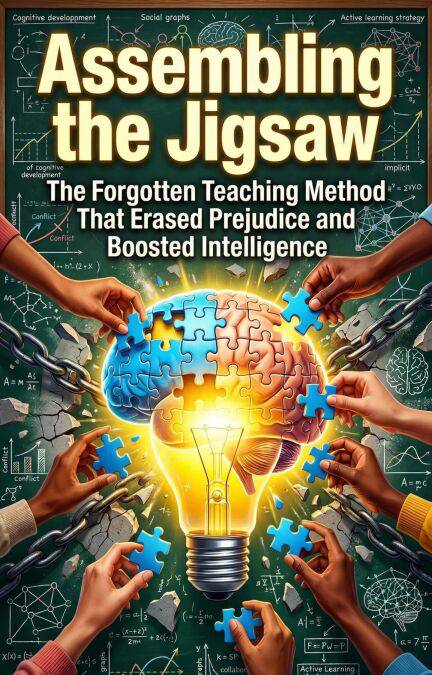
Assembling the Jigsaw E-BOOK
The Forgotten Teaching Method That Erased Prejudice and Boosted Intelligence
Susan Fletcher
E-book | Engels
€ 4,99
+ 4 punten
Eenvoudig bestellen
Veilig betalen


Onmiddellijk geleverd via e-mail
Omschrijving
In 1971, amidst the volatile desegregation of public schools in Austin, Texas, racial tensions in classrooms were exploding into daily violence. The traditional, highly competitive education system was failing drastically, pitting students against each other for the teacher's approval. Desperate for a solution, educational psychologist Elliot Aronson invented a radical, counter-intuitive intervention that would change pedagogy forever.
He called it the Jigsaw Protocol. Instead of the teacher holding all the knowledge, the day's lesson was divided into pieces. Students were grouped into highly diverse teams, and each child was given just one piece of the puzzle. To pass the test, the students had no choice but to actively listen to, teach, and rely on their peers. The results were immediate and staggering: racial prejudice plummeted, empathy skyrocketed, and the test scores of minority students drastically improved without lowering the performance of others.
This book resurrects one of the most successful, yet widely forgotten, psychological interventions in educational history. It explores the cognitive science behind why interdependence breeds intelligence, and why modern, hyper-individualized learning apps fail to replicate the deep neural pathways created by peer-to-peer teaching.
Transform the dynamic of any group. Learn how to practically implement the Jigsaw methodology in modern classrooms and corporate training rooms to dissolve hostility, enforce collaboration, and unlock the true potential of active learning.
He called it the Jigsaw Protocol. Instead of the teacher holding all the knowledge, the day's lesson was divided into pieces. Students were grouped into highly diverse teams, and each child was given just one piece of the puzzle. To pass the test, the students had no choice but to actively listen to, teach, and rely on their peers. The results were immediate and staggering: racial prejudice plummeted, empathy skyrocketed, and the test scores of minority students drastically improved without lowering the performance of others.
This book resurrects one of the most successful, yet widely forgotten, psychological interventions in educational history. It explores the cognitive science behind why interdependence breeds intelligence, and why modern, hyper-individualized learning apps fail to replicate the deep neural pathways created by peer-to-peer teaching.
Transform the dynamic of any group. Learn how to practically implement the Jigsaw methodology in modern classrooms and corporate training rooms to dissolve hostility, enforce collaboration, and unlock the true potential of active learning.
Specificaties
Betrokkenen
- Auteur(s):
- Uitgeverij:
Inhoud
- Aantal bladzijden:
- 143
- Taal:
- Engels
Eigenschappen
- Productcode (EAN):
- 9783565299706
- Verschijningsdatum:
- 6/03/2026
- Uitvoering:
- E-book
- Formaat:
- ePub


Alleen bij Standaard Boekhandel
+ 4 punten op je klantenkaart van Standaard Boekhandel
CADEAU

AANGERADEN


Beoordelingen
We publiceren alleen reviews die voldoen aan de voorwaarden voor reviews. Bekijk onze voorwaarden voor reviews.