


- Afhalen na 1 uur in een winkel met voorraad
- Gratis thuislevering in België vanaf € 30
- Ruim aanbod met 7 miljoen producten
- Afhalen na 1 uur in een winkel met voorraad
- Gratis thuislevering in België vanaf € 30
- Ruim aanbod met 7 miljoen producten





€ 64,95
+ 129 punten
Omschrijving
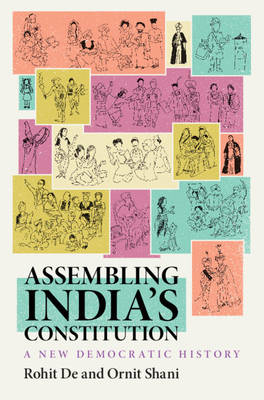
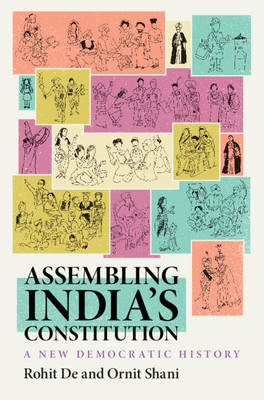
In this paradigm-shifting history, two leading historians of India re-examine the making of the Indian constitution from the perspective of the country's people. In a departure from dominant approaches that foreground the framing of the text within the Constituent Assembly, Ornit Shani and Rohit De instead demonstrate how it was shaped by diverse publics across India and beyond. They reveal multiple, parallel constitution-making processes underway across the subcontinent, highlighting how individuals and groups transformed constitutionalism into a medium of struggle and a tool for transformation. De and Shani argue that the deep sense of ownership the public assumed over the constitution became pivotal to the formation, legitimacy and endurance of India's democracy against arduous challenges and many odds. In highlighting the Indian case as a model for thinking through constitution making in plural societies, this is a vital contribution to constitutional and democratic history.
Specificaties
Betrokkenen
- Auteur(s):
- Uitgeverij:
Inhoud
- Aantal bladzijden:
- 371
- Taal:
- Engels
Eigenschappen
- Productcode (EAN):
- 9781009330053
- Verschijningsdatum:
- 9/10/2025
- Uitvoering:
- Hardcover
- Formaat:
- Genaaid
- Afmetingen:
- 162 mm x 234 mm
- Gewicht:
- 771 g


Alleen bij Standaard Boekhandel
+ 129 punten op je klantenkaart van Standaard Boekhandel
Cadeau

AANGERADEN


Beoordelingen
We publiceren alleen reviews die voldoen aan de voorwaarden voor reviews. Bekijk onze voorwaarden voor reviews.