


- Afhalen na 1 uur in een winkel met voorraad
- Gratis thuislevering in België vanaf € 30
- Ruim aanbod met 7 miljoen producten
- Afhalen na 1 uur in een winkel met voorraad
- Gratis thuislevering in België vanaf € 30
- Ruim aanbod met 7 miljoen producten





€ 0,49
Eenvoudig bestellen
Veilig betalen


Onmiddellijk geleverd via e-mail
Omschrijving
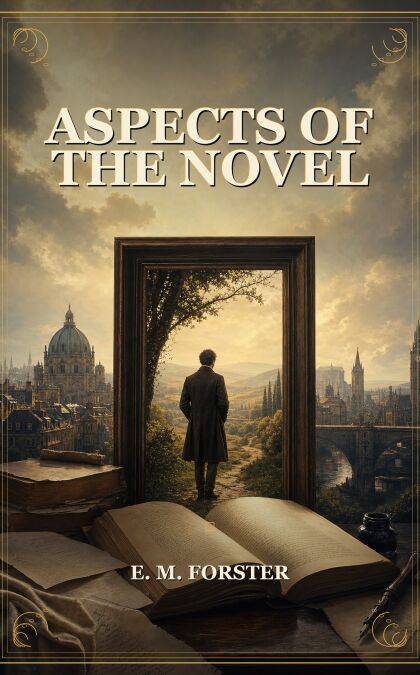
"I am annoyed when people laugh at me for loving The Swiss Family Robinson , and I hope that I have annoyed some of you over Scott !" Anyone attempting an analysis and evaluation of novels inevitably runs the risk of upsetting those with different literary tastes. E. M. Forster , in his 1927 Clark Lectures, embraced this challenge in this personal yet seminal account of the English novel. The previous decade had seen a number of significant contributions to literary criticism of the novel, and Forster engages with a number of them in his lectures. Yet most of these have been forgotten, while Forster's Aspects of the Novel remains in print, with a new edition introduced by Frank Kermode appearing as recently as 2005. The continuing appeal is not simply Forster's elegant prose, nor his engaging, conversational tone, nor yet the frisson of his many judgments on well-known books and contemporary authors. Rather, the work has proved seminal for Forster's selection of "aspects," and the clarity and cogency of his analysis. Contemporary reviews and reactions to his published lectures tended to decry his insights as limited to his own practice as a leading novelist. With the benefit of hindsight, more recent critics recognize the way in which Forster's account of the novel has shaped the development of its study in the 20th century and beyond. As Aspects of the Novel approaches its centenary, it enjoys an established place as a classic of literary criticism. E. M. Forster (died 1970) was a significant literary figure of the 20th century. Their work has endured across generations and continues to be read and studied worldwide. The nonfiction literature of previous centuries offers invaluable windows into the minds and preoccupations of earlier ages. Aspects Of The Novel combines the personal and the universal in ways that continue to resonate with contemporary readers seeking to understand both history and human nature.
Specificaties
Betrokkenen
- Auteur(s):
- Uitgeverij:
Inhoud
- Aantal bladzijden:
- 158
- Taal:
- Engels
Eigenschappen
- Productcode (EAN):
- 9785690927554
- Verschijningsdatum:
- 18/05/2026
- Uitvoering:
- E-book
- Beveiligd met:
- Digital watermarking
- Formaat:
- ePub



Alleen bij Standaard Boekhandel
CADEAU

AANGERADEN


Beoordelingen
We publiceren alleen reviews die voldoen aan de voorwaarden voor reviews. Bekijk onze voorwaarden voor reviews.