


- Afhalen na 1 uur in een winkel met voorraad
- Gratis thuislevering in België vanaf € 30
- Ruim aanbod met 7 miljoen producten
- Afhalen na 1 uur in een winkel met voorraad
- Gratis thuislevering in België vanaf € 30
- Ruim aanbod met 7 miljoen producten





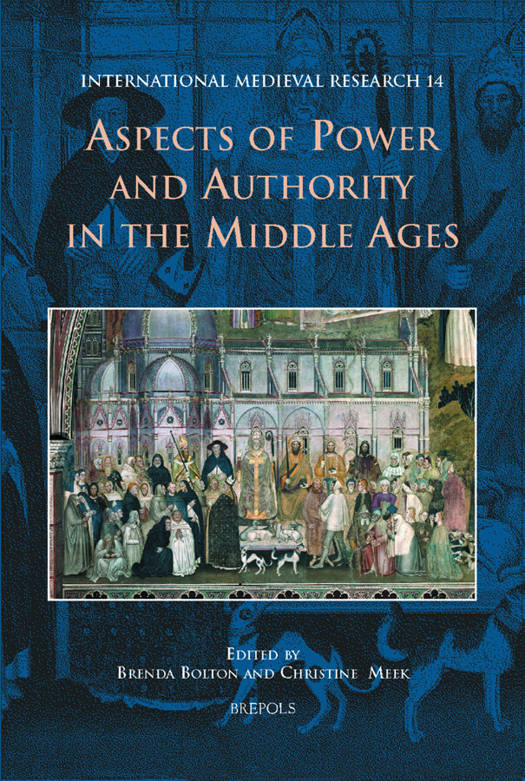
Aspects of Power and Authority in the Middle Ages
Brenda M. Bolton
€ 90,10
+ 180 punten
Omschrijving
Concepts of power and authority and the relationship between them were fundamental to many aspects of medieval society. The essays in this collection present a series of case studies that range widely, both chronologically and geographically, from Lombard Italy to early-modern Iberia and from Anglo-Saxon, Norman, and later-medieval England to twelfth-century France and the lands beyond the Elbe in the conversion period. While some papers deal with traditional royal, princely and ecclesiastical authority, they do so in new ways. Others examine groups and aspects less obviously connected to power and authority, such as the networks of influence centring on royal women or powerful ecclesiastics, the power relationships revealed in Anglo-Saxon and Old-Norse literature or the influence that might be exercised by needy crusaders, by Jews with the ability to advance loans or by parish priests on the basis of their local connections. An important section discusses the power of the written word, whether papal bulls, collections of miracle stories, or the documents produced in lawsuits. The papers in this volume demonstrate the variety and multiplicity of both power and authority and the many ways by which individuals exercised influence and exerted a claim to be heard and respected.
Specificaties
Betrokkenen
- Auteur(s):
- Uitgeverij:
Inhoud
- Aantal bladzijden:
- 364
- Taal:
- Engels
- Reeks:
- Reeksnummer:
- nr. 14
Eigenschappen
- Productcode (EAN):
- 9782503527352
- Verschijningsdatum:
- 25/01/2008
- Uitvoering:
- Hardcover
- Formaat:
- Genaaid
- Afmetingen:
- 165 mm x 246 mm
- Gewicht:
- 793 g


Alleen bij Standaard Boekhandel
+ 180 punten op je klantenkaart van Standaard Boekhandel
Cadeau

AANGERADEN


Beoordelingen
We publiceren alleen reviews die voldoen aan de voorwaarden voor reviews. Bekijk onze voorwaarden voor reviews.