


- Afhalen na 1 uur in een winkel met voorraad
- Gratis thuislevering in België vanaf € 30
- Ruim aanbod met 7 miljoen producten
- Afhalen na 1 uur in een winkel met voorraad
- Gratis thuislevering in België vanaf € 30
- Ruim aanbod met 7 miljoen producten





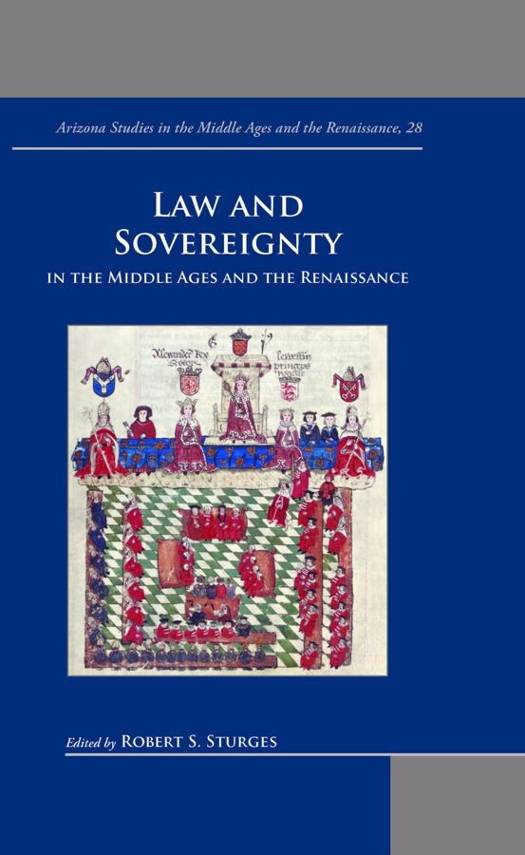
ASMAR 28 Law and Sovereignty in the Middle Ages and the Renaissance
Robert S. Sturges
€ 74,20
+ 148 punten
Omschrijving
Sovereignty, law, and the relationship between them are now among the most compelling topics in history, philosophy, literature and art. Some argue that the state's power over the individual has never been more complete, while for others, such factors as globalization and the internet are subverting traditional political forms. This book exposes the roots of these arguments in the Middle Ages and Renaissance. The thirteen contributions investigate theories, fictions, contestations, and applications of sovereignty and law from the Anglo-Saxon period to the seventeenth century, and from England across western Europe to Germany, France, Italy, and Spain. Particular topics include: Habsburg sovereignty, Romance traditions in Arthurian literature, the duomo in Milan, the political theories of Juan de Mariana and of Richard Hooker, Geoffrey Chaucer's legal problems, the accession of James I, medieval Jewish women, Elizabethan diplomacy, Anglo-Saxon political subjectivity, and medieval French farce. Together these contributions constitute a valuable overview of the history of medieval and Renaissance law and sovereignty in several disciplines. They will appeal to not only to political historians, but also to all those interested in the histories of art, literature, religion, and culture.
Specificaties
Betrokkenen
- Auteur(s):
- Uitgeverij:
Inhoud
- Aantal bladzijden:
- 302
- Taal:
- Engels
- Reeks:
- Reeksnummer:
- nr. 28
Eigenschappen
- Productcode (EAN):
- 9782503533094
- Verschijningsdatum:
- 22/02/2011
- Uitvoering:
- Hardcover
- Formaat:
- Genaaid
- Afmetingen:
- 163 mm x 236 mm
- Gewicht:
- 680 g


Alleen bij Standaard Boekhandel
+ 148 punten op je klantenkaart van Standaard Boekhandel
Cadeau

AANGERADEN


Beoordelingen
We publiceren alleen reviews die voldoen aan de voorwaarden voor reviews. Bekijk onze voorwaarden voor reviews.