



Bedankt voor het vertrouwen het afgelopen jaar! Om jou te bedanken bieden we GRATIS verzending (in België) aan op alles gedurende de hele maand januari.
- Afhalen na 1 uur in een winkel met voorraad
- In januari gratis thuislevering in België
- Ruim aanbod met 7 miljoen producten
Bedankt voor het vertrouwen het afgelopen jaar! Om jou te bedanken bieden we GRATIS verzending (in België) aan op alles gedurende de hele maand januari.
- Afhalen na 1 uur in een winkel met voorraad
- In januari gratis thuislevering in België
- Ruim aanbod met 7 miljoen producten





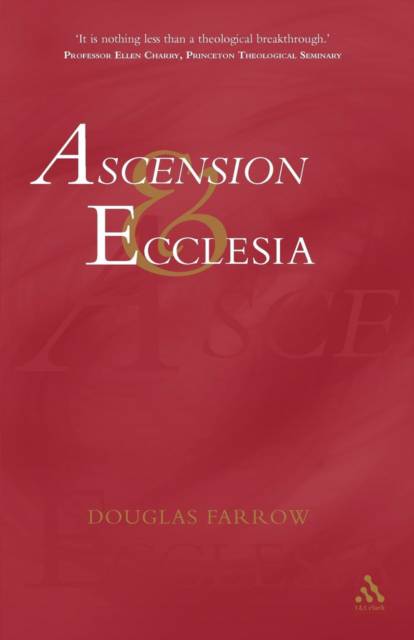
Ascension and Ecclesia
On the Significance of the Doctrine of the Ascension for Ecclesiology and Christian Cosmology
Douglas Farrow
Paperback | Engels
€ 203,95
+ 407 punten
Uitvoering
Omschrijving
Recent theology offers few attempts to come to grips with the meaning and implications of the ascension of Jesus. Professor Farrow begins with a discussion of the biblical treatment of the ascension and Eucharistic celebration, from which emerges the unique ecclesial worldview. There are chapters on the treatment of these ideas by Irenaeus, Origen and Augustine, and on developments up to the Reformation. He explores the link between ideas of the ascension, cosmology and ecclesiology. Farrow goes on to examine the difficulties faced by the doctrine of ascension in the modern scientific world. In a final chapter he calls for an ecclesiology, which does not marginalise the human Jesus
Specificaties
Betrokkenen
- Auteur(s):
- Uitgeverij:
Inhoud
- Aantal bladzijden:
- 354
- Taal:
- Engels
Eigenschappen
- Productcode (EAN):
- 9780567083258
- Verschijningsdatum:
- 1/07/2004
- Uitvoering:
- Paperback
- Formaat:
- Trade paperback (VS)
- Afmetingen:
- 137 mm x 214 mm
- Gewicht:
- 417 g


Alleen bij Standaard Boekhandel
+ 407 punten op je klantenkaart van Standaard Boekhandel
SOLDEN


Beoordelingen
We publiceren alleen reviews die voldoen aan de voorwaarden voor reviews. Bekijk onze voorwaarden voor reviews.