


- Afhalen na 1 uur in een winkel met voorraad
- Gratis thuislevering in België vanaf € 30
- Ruim aanbod met 7 miljoen producten
- Afhalen na 1 uur in een winkel met voorraad
- Gratis thuislevering in België vanaf € 30
- Ruim aanbod met 7 miljoen producten





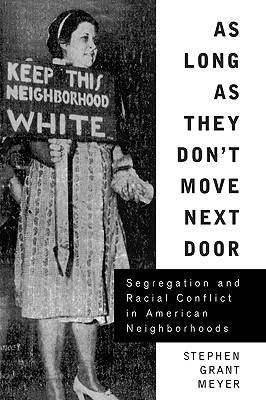
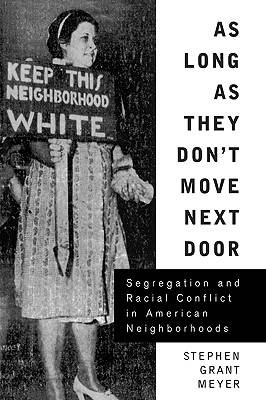
As Long As They Don't Move Next Door
Segregation and Racial Conflict in American Neighborhoods
Stephen Meyer
Hardcover | Engels
€ 78,45
+ 156 punten
Omschrijving
Despite the commonly held perception that most northern citizens embraced racial equality, As Long As They Don't Move Next Door graphically demonstrates the variety of methods-including violence and intimidation, unjust laws, restrictive covenants, discrimination by realtors and mortgage lenders, and white flight to suburban enclaves-used by whites to thwart the racial integration of their neighborhoods. Author Stephen Grant Meyer offers the first full length national history of American race relations examined through the lens of housing discrimination, and he forces readers to confront and re-evaluate the deep and enduring division between the races. Although this is a discomforting analysis, which concludes that housing discrimination still exists, it is only a clearer understanding of our shared racial past that will enable Americans to create a successful prescription for fighting intolerance. An original and captivating study that illuminates overlooked groups and individuals committed to the national struggle for civil rights, this is important reading for anyone interested in African-American history.
Specificaties
Betrokkenen
- Auteur(s):
- Uitgeverij:
Inhoud
- Aantal bladzijden:
- 352
- Taal:
- Engels
Eigenschappen
- Productcode (EAN):
- 9780847697007
- Verschijningsdatum:
- 29/12/1999
- Uitvoering:
- Hardcover
- Formaat:
- Genaaid
- Afmetingen:
- 161 mm x 236 mm
- Gewicht:
- 598 g


Alleen bij Standaard Boekhandel
+ 156 punten op je klantenkaart van Standaard Boekhandel
AANGERADEN


Beoordelingen
We publiceren alleen reviews die voldoen aan de voorwaarden voor reviews. Bekijk onze voorwaarden voor reviews.