


- Afhalen na 1 uur in een winkel met voorraad
- Gratis thuislevering in België vanaf € 30
- Ruim aanbod met 7 miljoen producten
- Afhalen na 1 uur in een winkel met voorraad
- Gratis thuislevering in België vanaf € 30
- Ruim aanbod met 7 miljoen producten





€ 129,95
+ 259 punten
Omschrijving
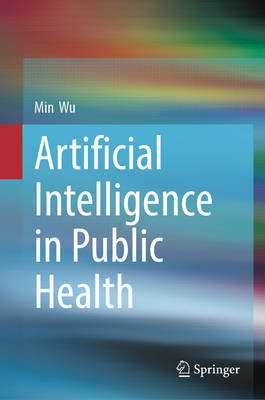
This book explains how artificial intelligence (AI) works and helps readers adopt, use, and evaluate AI applications in public health. It serves as an introduction to AI literacy for beginners without a prerequisite for a math or information technology background. The conceptual frameworks for AI in public health also serve well for future agentic AI design.
With the help of this textbook, instructors will be able to teach students the fundamental concepts and skills to identify unmet needs in public health and implement AI as part of their solutions. This book addresses evaluation issues for AI in public health that other books have not. The meta-AI homework with grading metrics provides metacognitive approaches for AI-human interactions.
The book features 11 chapters organized in six parts:
- Part I introduces AI and explains why we need it in public health (AI literacy courses).
- Part II explains design/evaluation models of AI applications in public health.
- Part III discusses big data in public health, which is the foundation of AI applications (data awareness courses).
- Part IV focuses on case studies of usage of AI applications in public health (e.g., EquiRisk (Equity aware risk stratifications), PMCO-AI (Personalized Motivation, Capability and Opportunity empowered by AI), and PAPO (Policy Aware Personalized Opportunities))
- Part V concerns living with AI, including education of the public health workforce.
- Part VI discusses the future of AI in public health, including challenges and opportunities.
Artificial Intelligence in Public Health is timely and essential reading for public health students and staff interested in improving their AI literacy and embracing this disruptive technology that could transform the field. It can be used as a core text for students in public health informatics BS/MS/PhD or certificate programs. It can also be used as a secondary text for students in BS/MS programs in schools of public health or students in health informatics/biomedical informatics programs with a public health concentration. Practitioners in public health agencies at different levels (federal, state, county, city, town, community) and researchers in public health informatics may also find the book useful for their work.


Alleen bij Standaard Boekhandel
+ 259 punten op je klantenkaart van Standaard Boekhandel
Cadeau

AANGERADEN


Beoordelingen
We publiceren alleen reviews die voldoen aan de voorwaarden voor reviews. Bekijk onze voorwaarden voor reviews.