


- Afhalen na 1 uur in een winkel met voorraad
- Gratis thuislevering in België vanaf € 30
- Ruim aanbod met 7 miljoen producten
- Afhalen na 1 uur in een winkel met voorraad
- Gratis thuislevering in België vanaf € 30
- Ruim aanbod met 7 miljoen producten





Omschrijving
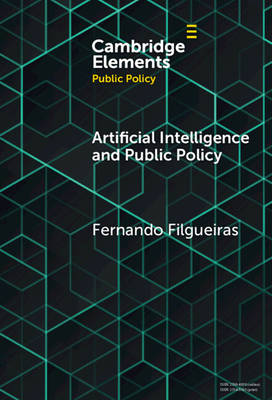
In a global landscape increasingly shaped by technology, artificial intelligence (AI) is emerging as a disruptive force, redefining not only our daily lives but also the very essence of governance. This Element delves deeply into the intricate relationship between AI and the policy process, unraveling how this technology is reshaping the formulation, implementation, and advice of public policies, as well as influencing the structures and actors involved. Policy science was based on practice knowledge that guided the actions of policymakers. However, the rise of AI introduces an unprecedented sociotechnical reengineering, changing the way knowledge is produced and used in government. Artificial intelligence in public policy is not about transferring policy to machines but about a fundamental change in the construction of knowledge, driven by a hybrid intelligence that arises from the interaction between humans and machines.
Specificaties
Betrokkenen
- Auteur(s):
- Uitgeverij:
Inhoud
- Aantal bladzijden:
- 88
- Taal:
- Engels
- Reeks:
Eigenschappen
- Productcode (EAN):
- 9781009572231
- Verschijningsdatum:
- 22/01/2026
- Uitvoering:
- Hardcover
- Formaat:
- Genaaid
- Afmetingen:
- 152 mm x 229 mm
- Gewicht:
- 290 g


Alleen bij Standaard Boekhandel
+ 248 punten op je klantenkaart van Standaard Boekhandel
Cadeau

AANGERADEN


Beoordelingen
We publiceren alleen reviews die voldoen aan de voorwaarden voor reviews. Bekijk onze voorwaarden voor reviews.