


- Afhalen na 1 uur in een winkel met voorraad
- Gratis thuislevering in België vanaf € 30
- Ruim aanbod met 7 miljoen producten
- Afhalen na 1 uur in een winkel met voorraad
- Gratis thuislevering in België vanaf € 30
- Ruim aanbod met 7 miljoen producten





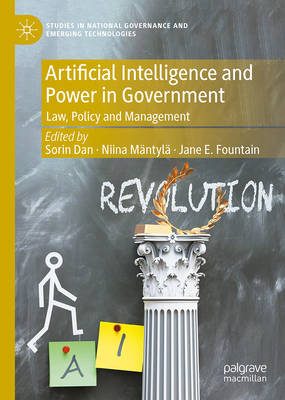
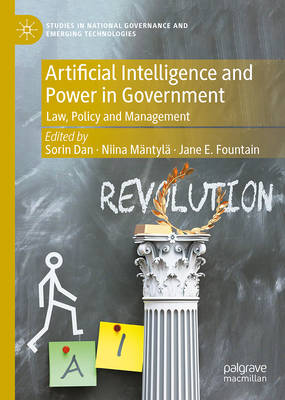
Artificial Intelligence and Power in Government
Law, Policy and Management
€ 162,45
+ 324 punten
Omschrijving
This book examines the relationship between artificial intelligence and power in government. The growth of AI has drastically altered the political landscape, and the shifting power relationships between actors involved in deploying AI have the potential to radically impact the ways in which this technology is understood, adopted and implemented in government. Drawing together scholars from public policy, public management, information technology and law, this volume throws light on the implications that AI poses for existing power relationships between actors involved in the deployment and use of AI in government, and for existing power relationships between the state and citizens. It addresses these issues through three disciplinary perspectives - legal and regulatory studies, public policy and governance, and public management and innovation - in order to fully assess the interplay between AI and power in different governmental settings across the world. Chapters examine a range of themes pertinent to AI and governance, including the exercise of power, liability issues, ethical policymaking, surveillance, and the use of AI tools in public organizations. A concluding chapter maps out future directions for the study of AI and power in government. Interdisciplinary in nature, the book will appeal to all those interested in public policy, governance, public management, law, and technology studies.
Specificaties
Betrokkenen
- Uitgeverij:
Inhoud
- Taal:
- Engels
- Reeks:
Eigenschappen
- Productcode (EAN):
- 9783032018922
- Verschijningsdatum:
- 24/06/2026
- Uitvoering:
- Hardcover
- Formaat:
- Genaaid
- Afmetingen:
- 148 mm x 210 mm

Alleen bij Standaard Boekhandel
+ 324 punten op je klantenkaart van Standaard Boekhandel
Cadeau

AANGERADEN


Beoordelingen
We publiceren alleen reviews die voldoen aan de voorwaarden voor reviews. Bekijk onze voorwaarden voor reviews.