


- Afhalen na 1 uur in een winkel met voorraad
- Gratis thuislevering in België vanaf € 30
- Ruim aanbod met 7 miljoen producten
- Afhalen na 1 uur in een winkel met voorraad
- Gratis thuislevering in België vanaf € 30
- Ruim aanbod met 7 miljoen producten





€ 47,45
+ 94 punten
Omschrijving
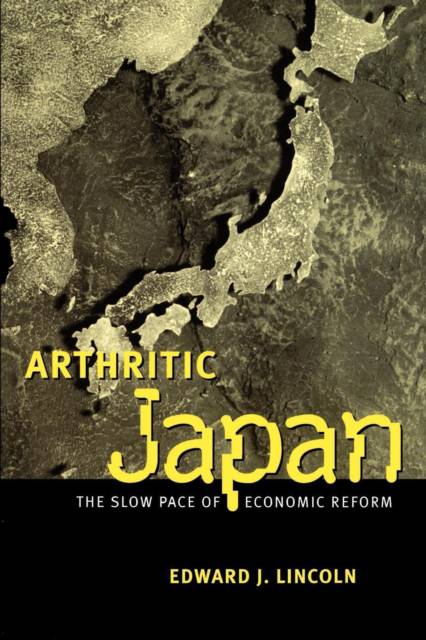
In the late 1980s, Japan's strong economic performance put it on a the verge of becoming a major player in regional and global affairs. But nearly a decade of economic stagnation, a mounting of bad debts, and a continuing stream of scandals have tarnished the country's distinctive economic model. At the turn of the millennium, the Japanese economy remained mired in a pattern of stagnation. As this disappointing condition dragged on, the government pursued policies to restore economic health. Yet Japan has been slow to embrace the systemic reform on which a robust economic recovery depends. In Arthritic Japan, Edward J. Lincoln examines the causes and implications of this weak response. Concluding that Japan is unlikely to pursue the vigorous reform necessary for economic growth, Lincoln warns of serious consequences: a stumbling economy bedeviled by recession and financial crisis, eroding leadership in economic and security issues, a continued defensive trade posture, and a disgruntled population that could turn a more nationalistic stance in foreign policy.
Specificaties
Betrokkenen
- Auteur(s):
- Uitgeverij:
Inhoud
- Aantal bladzijden:
- 260
- Taal:
- Engels
Eigenschappen
- Productcode (EAN):
- 9780815700739
- Verschijningsdatum:
- 1/09/2001
- Uitvoering:
- Paperback
- Formaat:
- Trade paperback (VS)
- Afmetingen:
- 155 mm x 230 mm
- Gewicht:
- 399 g



Alleen bij Standaard Boekhandel
+ 94 punten op je klantenkaart van Standaard Boekhandel
Cadeau

AANGERADEN


Beoordelingen
We publiceren alleen reviews die voldoen aan de voorwaarden voor reviews. Bekijk onze voorwaarden voor reviews.