


- Afhalen na 1 uur in een winkel met voorraad
- Gratis thuislevering in België vanaf € 30
- Ruim aanbod met 7 miljoen producten
- Afhalen na 1 uur in een winkel met voorraad
- Gratis thuislevering in België vanaf € 30
- Ruim aanbod met 7 miljoen producten





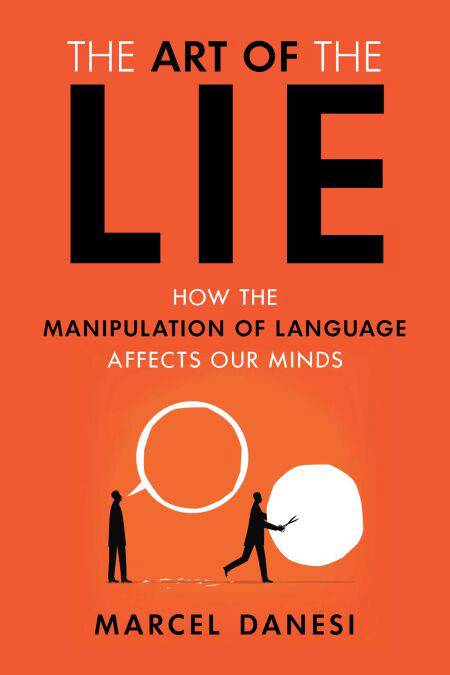
Art of the Lie E-BOOK
How the Manipulation of Language Affects Our Minds
Marcel Danesi
E-book | Engels
€ 16,76
+ 16 punten
Uitvoering
Omschrijving
This book shows how language can be used strategically to manipulate beliefs. From Machiavelli to P. T. Barnum to Donald Trump, many have perfected the art of strategically using language to gain the upper hand, set a tone, change the subject, or influence people's beliefs and behaviors. Language--both words themselves and rhetorical tactics such as metaphor, irony, slang, and humor--can effectively manipulate the minds of the listener. In this book, Marcel Danesi, a renowned linguistic anthropologist and semiotician, looks at language that is used not to present arguments logically or rationally, but to "move" audiences in order to gain their confidence and build consensus. He demonstrates that through language techniques communicators can not only sway opinions but also shape listeners' very perception of reality. He assesses how the communicative environment in which the art of the lie unfolds--such as on social media or in emotionally-charged gatherings--impacts the results. Danesi also investigates why lies are often accepted as valid. Artful lying fits in with an Internet society that is largely disinterested in what is true and what is false and in which attention is often given to speech that is entertaining or persuasive. Have we become immune to lies because of a social media discourse shaped by untruths? In an electronic age where facts are deemed irrelevant and conspiracies are accorded as much credibility as truths, this book discusses the implications of lying and language for the future of belief, ethics, and American democracy itself.
Specificaties
Betrokkenen
- Auteur(s):
- Uitgeverij:
Inhoud
- Aantal bladzijden:
- 256
- Taal:
- Engels
Eigenschappen
- Productcode (EAN):
- 9781633885974
- Verschijningsdatum:
- 5/01/2020
- Uitvoering:
- E-book
- Beveiligd met:
- Adobe DRM
- Formaat:
- ePub


Alleen bij Standaard Boekhandel
+ 16 punten op je klantenkaart van Standaard Boekhandel
Cadeau

AANGERADEN


Beoordelingen
We publiceren alleen reviews die voldoen aan de voorwaarden voor reviews. Bekijk onze voorwaarden voor reviews.