


- Afhalen na 1 uur in een winkel met voorraad
- Gratis thuislevering in België vanaf € 30
- Ruim aanbod met 7 miljoen producten
- Afhalen na 1 uur in een winkel met voorraad
- Gratis thuislevering in België vanaf € 30
- Ruim aanbod met 7 miljoen producten





€ 38,95
+ 77 punten
Eenvoudig bestellen
Veilig betalen


Gratis thuislevering vanaf € 30 (via bpost)
Gratis levering in je Standaard Boekhandel
Omschrijving
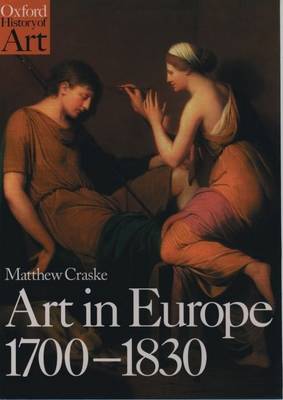
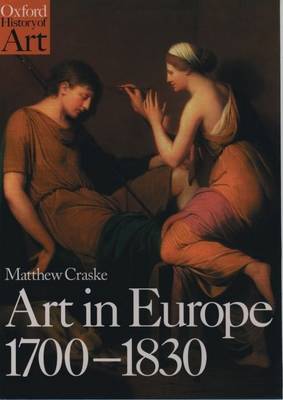
In an era of unprecedented change--rapid urbanization, economic growth, and political revolution--European artists from 1700-1830 were in the business of finding new ways of making, selling, and talking about art. Matthew Craske creates a totally new and vivid record of eighteenth- and early nineteenth-century art in Europe, taking a critical view of such conventional categories as the "rococo," the "neo-classical," and the "romantic." He goes on to explore crucial thematic issues, such as changes in "taste" and manners, and the impact of enlightenment notions of progress, and at the same time goes well beyond the usual geographic limits of surveys to include St. Petersburg, Copenhagen, Warsaw, and Madrid. The result is a refreshingly holistic text which sets the art of the period firmly in its social history.
Specificaties
Betrokkenen
- Auteur(s):
- Uitgeverij:
Inhoud
- Aantal bladzijden:
- 320
- Taal:
- Engels
- Reeks:
Eigenschappen
- Productcode (EAN):
- 9780192842060
- Verschijningsdatum:
- 8/05/1997
- Uitvoering:
- Paperback
- Formaat:
- Trade paperback (VS)
- Afmetingen:
- 169 mm x 238 mm
- Gewicht:
- 725 g


Alleen bij Standaard Boekhandel
+ 77 punten op je klantenkaart van Standaard Boekhandel
CADEAU

AANGERADEN


Beoordelingen
We publiceren alleen reviews die voldoen aan de voorwaarden voor reviews. Bekijk onze voorwaarden voor reviews.