


- Afhalen na 1 uur in een winkel met voorraad
- Gratis thuislevering in België vanaf € 30
- Ruim aanbod met 7 miljoen producten
- Afhalen na 1 uur in een winkel met voorraad
- Gratis thuislevering in België vanaf € 30
- Ruim aanbod met 7 miljoen producten





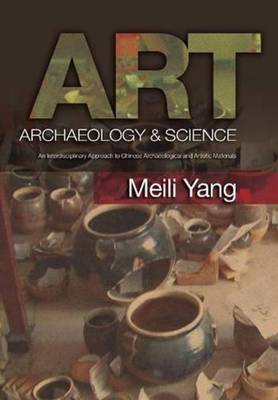
Art, Archaeology and Science
An Interdisciplinary Approach to Chinese Archaeological and Artistic Materials
Yang
Hardcover | Engels
€ 271,45
+ 542 punten
Eenvoudig bestellen
Veilig betalen


Gratis thuislevering vanaf € 30 (via bpost)
Gratis levering in je Standaard Boekhandel
Omschrijving
Science has played a crucial role in the initial stages of westerners' collecting and studying ancient Chinese artworks and archaeological materials. The relevant scientific data were quickly generated using progressively sophisticated examination techniques. But the task of integrating scientific data with archaeological and art historical resources, and developing a workable interdisciplinary study method, has lagged behind scientific endeavor. Part One of this book explores the modes and functions of the scientific resources available and their integration into interdisciplinary study methods and models; pre-war researchers particularly emphasized that their studies of Chinese artistic/archaeological materials were scientific. Improvements in precision and advanced specialization of examining instruments and techniques resulted in substantively more detailed scientific data, particularly in the post-war period. This brought with it new research dimensions and increased knowledge of targeted samples, and also greater challenges to the integration of interdisciplinary study. In Part Two, Meili Yang establishes a feasible method of interdisciplinary study in terms of five case studies related to Chinese Song ceramics. Relevant data are provided and professionally explained, resulting in critical new information related to contemporary ceramic technologies. This technology information leads us to the recognition of the uniqueness of each single artwork and the artisan's individual intention and critically, recognition of the close association with contemporary society and culture at the time of manufacture. Utilizing this new method of interdisciplinary study, modern science, ancient technology, and art and society are seen to have explicit connections. The author not only broadens scholars' and readers' perspectives regarding ancient ceramic craft, but provides a rigorous methodology applicable to interdisciplinary studies across other disciplines.
Specificaties
Betrokkenen
- Auteur(s):
- Uitgeverij:
Inhoud
- Aantal bladzijden:
- 224
- Taal:
- Engels
Eigenschappen
- Productcode (EAN):
- 9781845197339
- Verschijningsdatum:
- 1/07/2015
- Uitvoering:
- Hardcover
- Formaat:
- Genaaid
- Afmetingen:
- 173 mm x 249 mm
- Gewicht:
- 453 g


Alleen bij Standaard Boekhandel
+ 542 punten op je klantenkaart van Standaard Boekhandel
CADEAU

AANGERADEN


Beoordelingen
We publiceren alleen reviews die voldoen aan de voorwaarden voor reviews. Bekijk onze voorwaarden voor reviews.