



- Afhalen na 1 uur in een winkel met voorraad
- In januari gratis thuislevering in België
- Ruim aanbod met 7 miljoen producten
- Afhalen na 1 uur in een winkel met voorraad
- In januari gratis thuislevering in België
- Ruim aanbod met 7 miljoen producten




€ 69,95
+ 139 punten
Uitvoering
Omschrijving
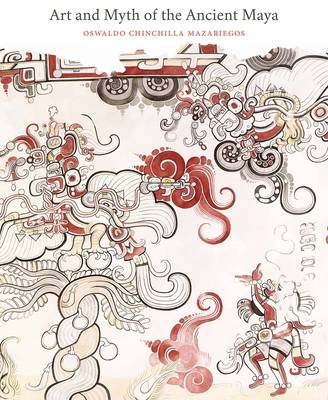
This nuanced account explores Maya mythology through the lens of art, text, and culture. It offers an important reexamination of the mid-16th-century Popol Vuh, long considered an authoritative text, which is better understood as one among many crucial sources for the interpretation of ancient Maya art and myth. Using materials gathered across Mesoamerica, Oswaldo Chinchilla Mazariegos bridges the gap between written texts and artistic representations, identifying key mythical subjects and uncovering their variations in narratives and visual depictions. Central characters--including a secluded young goddess, a malevolent grandmother, a dead father, and the young gods who became the sun and the moon--are identified in pottery, sculpture, mural painting, and hieroglyphic inscriptions. Highlighting such previously overlooked topics as sexuality and generational struggles, this beautifully illustrated book paves the way for a new understanding of Maya myths and their lavish expression in ancient art.
Specificaties
Betrokkenen
- Auteur(s):
- Uitgeverij:
Inhoud
- Aantal bladzijden:
- 304
- Taal:
- Engels
Eigenschappen
- Productcode (EAN):
- 9780300207170
- Verschijningsdatum:
- 25/04/2017
- Uitvoering:
- Hardcover
- Formaat:
- Genaaid
- Afmetingen:
- 211 mm x 257 mm
- Gewicht:
- 1383 g


Alleen bij Standaard Boekhandel
+ 139 punten op je klantenkaart van Standaard Boekhandel
Cadeau

AANGERADEN


Beoordelingen
We publiceren alleen reviews die voldoen aan de voorwaarden voor reviews. Bekijk onze voorwaarden voor reviews.