


- Afhalen na 1 uur in een winkel met voorraad
- Gratis thuislevering in België vanaf € 30
- Ruim aanbod met 7 miljoen producten
- Afhalen na 1 uur in een winkel met voorraad
- Gratis thuislevering in België vanaf € 30
- Ruim aanbod met 7 miljoen producten





€ 44,95
+ 89 punten
Omschrijving
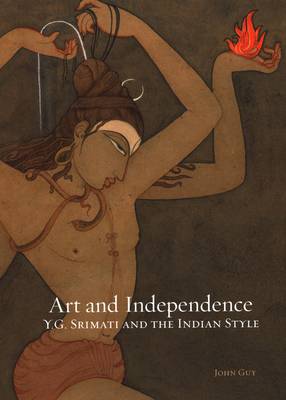
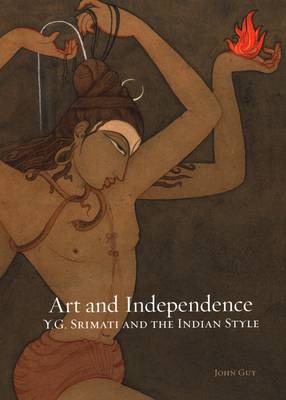
The career of Y.G. Srimati - classical singer, musician, dancer and painter - represents a continuum in which each of these skills and experiences merged, influencing and pollinating each other. Born in Mysore in 1926, Srimati was part of the generation much influenced by the rediscovery of a classical Sanskrit legacy devoted to the visual arts. Soon swept up in the nationalist movement for an independent India, she was deeply moved by the time she spent with Mahatma Gandhi. For the young Srimati, the explicit referencing of the past and of religious subjects came together in an unparalleled way, driven by the conscious striving for an indigenous agenda. This experience gave form and meaning to her art, and largely defined her style. As John Guy demonstrates in this sumptuous volume, as a painter of the mid and late twentieth century, Y.G. Srimati embodied a traditionalist position, steadfast in her vision of an Indian style, one which resonated with those who knew India best.
Specificaties
Betrokkenen
- Auteur(s):
- Uitgeverij:
Inhoud
- Aantal bladzijden:
- 144
- Taal:
- Engels
Eigenschappen
- Productcode (EAN):
- 9789385360404
- Verschijningsdatum:
- 30/05/2019
- Uitvoering:
- Hardcover
- Formaat:
- Genaaid
- Afmetingen:
- 218 mm x 302 mm
- Gewicht:
- 1156 g


Alleen bij Standaard Boekhandel
+ 89 punten op je klantenkaart van Standaard Boekhandel
Cadeau

AANGERADEN


Beoordelingen
We publiceren alleen reviews die voldoen aan de voorwaarden voor reviews. Bekijk onze voorwaarden voor reviews.