


- Afhalen na 1 uur in een winkel met voorraad
- Gratis thuislevering in België vanaf € 30
- Ruim aanbod met 7 miljoen producten
- Afhalen na 1 uur in een winkel met voorraad
- Gratis thuislevering in België vanaf € 30
- Ruim aanbod met 7 miljoen producten





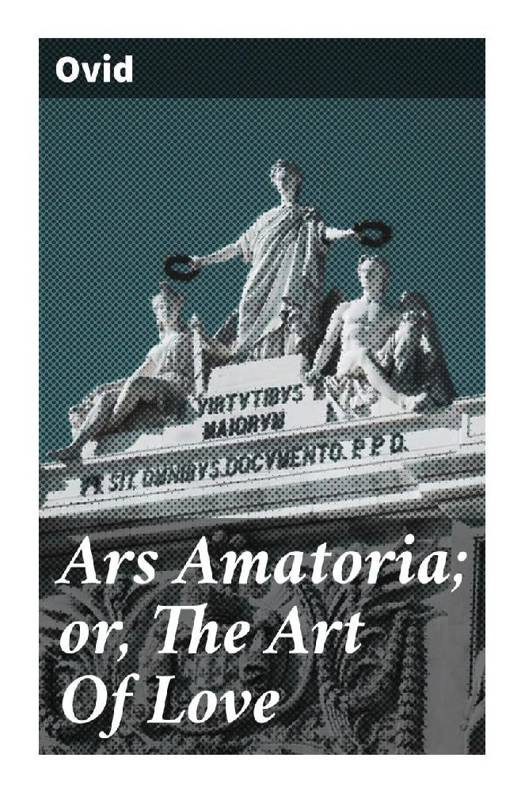
Ars Amatoria; or, The Art Of Love
Seduction, Courtship, and Erotic Wit in Augustan Rome's Elegiac Verse
Ovid
Paperback | Engels
€ 8,45
+ 16 punten
Omschrijving
Ovid's Ars Amatoria, or The Art of Love, is a dazzling didactic poem that recasts the elevated machinery of Roman instruction for the urbane purposes of seduction, courtship, and erotic strategy. Written in elegiac couplets, it parodies serious technical manuals while drawing upon love elegy, comedy, rhetoric, and Augustan social life. Its wit lies not merely in advice, but in the tension between polished literary artifice and the supposedly practical lessons of desire. Publius Ovidius Naso, known as Ovid, was among the most brilliant poets of Augustan Rome, a master of psychological nuance, verbal elegance, and playful subversion. Born in 43 BCE and trained in rhetoric, he brought forensic sharpness and theatrical timing to poetry. The Ars Amatoria may reflect the sophisticated leisure culture of Rome, but its frank eroticism also clashed with Augustus's moral reforms, contributing to Ovid's later reputation as an exile-poet of transgression. This book is recommended to readers interested in classical literature, erotic wit, gender performance, and the politics of Augustan culture. Both mischievous and formally accomplished, it rewards those who enjoy literature that instructs, mocks instruction, and reveals how love itself can become an art of language.
Specificaties
Betrokkenen
- Auteur(s):
- Vertaler(s):
- Uitgeverij:
Inhoud
- Taal:
- Engels
Eigenschappen
- Productcode (EAN):
- 9788027286300
- Uitvoering:
- Paperback
- Afmetingen:
- 152 mm x 229 mm
- Gewicht:
- 120 g



Alleen bij Standaard Boekhandel
+ 16 punten op je klantenkaart van Standaard Boekhandel
CADEAU

AANGERADEN


Beoordelingen
We publiceren alleen reviews die voldoen aan de voorwaarden voor reviews. Bekijk onze voorwaarden voor reviews.