


- Afhalen na 1 uur in een winkel met voorraad
- Gratis thuislevering in België vanaf € 30
- Ruim aanbod met 7 miljoen producten
- Afhalen na 1 uur in een winkel met voorraad
- Gratis thuislevering in België vanaf € 30
- Ruim aanbod met 7 miljoen producten




€ 41,95
+ 83 punten
Omschrijving
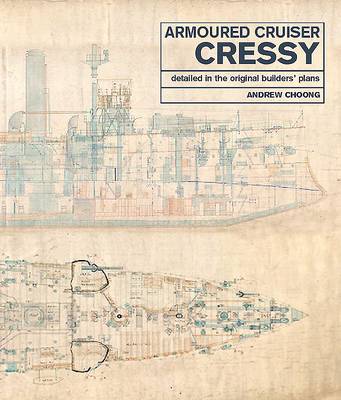
The subject of this volume is best known for the disaster of 22 September 1914 where Cressy and two sister-ships, Aboukir and Hogue, were sunk with great loss of life by a single small submarine in little more than an hour. Having been overtaken by the rapid advance of naval technology in the fifteen years since their construction, the cruisers were regarded as obsolete and employed on a task for which they were never intended. However, in their day they were powerful and innovative ships, with a significant impact on the way the armored cruiser developed. This becomes clear from the analysis of the plans included in this book, which thus presents an original and more positive view of these ships that will enlighten--and perhaps surprise--many naval historians and enthusiasts.
Specificaties
Betrokkenen
- Auteur(s):
- Uitgeverij:
Inhoud
- Aantal bladzijden:
- 128
- Taal:
- Engels
Eigenschappen
- Productcode (EAN):
- 9781526766373
- Verschijningsdatum:
- 15/06/2020
- Uitvoering:
- Hardcover
- Formaat:
- Genaaid
- Afmetingen:
- 251 mm x 292 mm
- Gewicht:
- 1065 g


Alleen bij Standaard Boekhandel
+ 83 punten op je klantenkaart van Standaard Boekhandel
AANGERADEN


Beoordelingen
We publiceren alleen reviews die voldoen aan de voorwaarden voor reviews. Bekijk onze voorwaarden voor reviews.