


- Afhalen na 1 uur in een winkel met voorraad
- Gratis thuislevering in België vanaf € 30
- Ruim aanbod met 7 miljoen producten
- Afhalen na 1 uur in een winkel met voorraad
- Gratis thuislevering in België vanaf € 30
- Ruim aanbod met 7 miljoen producten





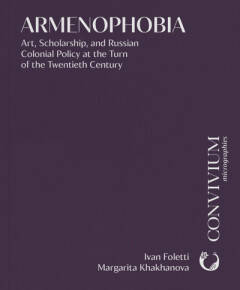
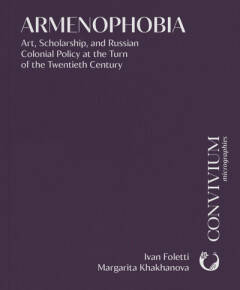
Armenophobia
Art, Scholarship, and Russian Colonial Policy at the Turn of the Twentieth Century
Ivan Foletti, Margarita Khakhanova
€ 26,50
+ 53 punten
Omschrijving
Despite its incredible richness, the Armenian cultural heritage remains today at the margins of the art historical canon. The roots of this situation can be traced back to the second half of 19th century when Armenian art was deliberately marginalized by the official scholarship within the Russian Empire. By providing a historiographical examination of this context, we aim to demonstrate how medieval Armenian art became a tool in the Russian imperialistic policy. Besides, we also attempt to address the impact of the late 19th-century imperialism on our present.
Specificaties
Betrokkenen
- Auteur(s):
- Uitgeverij:
Inhoud
- Aantal bladzijden:
- 127
- Taal:
- Engels
- Reeks:
- Reeksnummer:
- nr. 1
Eigenschappen
- Productcode (EAN):
- 9788028005764
- Verschijningsdatum:
- 24/10/2024
- Uitvoering:
- Paperback
- Formaat:
- Trade paperback (VS)
- Gewicht:
- 244 g


Alleen bij Standaard Boekhandel
+ 53 punten op je klantenkaart van Standaard Boekhandel
Cadeau

AANGERADEN


Beoordelingen
We publiceren alleen reviews die voldoen aan de voorwaarden voor reviews. Bekijk onze voorwaarden voor reviews.