


- Afhalen na 1 uur in een winkel met voorraad
- Gratis thuislevering in België vanaf € 30
- Ruim aanbod met 7 miljoen producten
- Afhalen na 1 uur in een winkel met voorraad
- Gratis thuislevering in België vanaf € 30
- Ruim aanbod met 7 miljoen producten





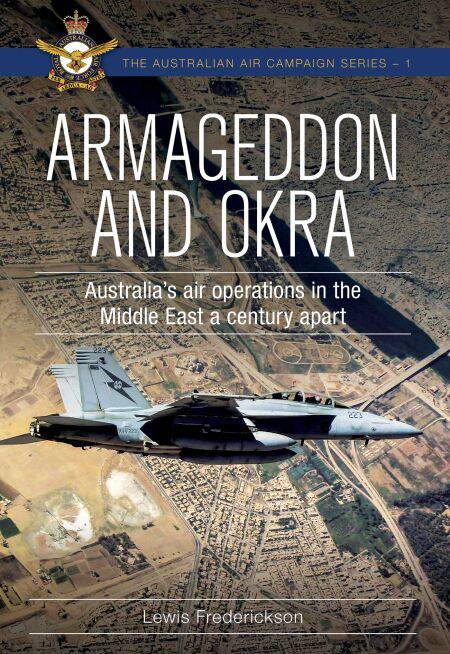
Armageddon and OKRA E-BOOK
Australia's air operations in the Middle East a century apart
Lewis Frederickson
€ 7,77
+ 7 punten
Omschrijving
The dispatch of an Ottoman Army by Australian-led Imperial air power in the Wadi Fara on 21 September 1918 occurred just five years after the advent of military aviation in Australia. In 1914, the fledgling Australian air service operated the flimsy Bristol Boxkite; four years later it was flying the far more advanced Bristol F2B Fighter. This leap forward represented a profound progress in technology that has typified the technical development of aviation, particularly in Australia ever since. Ironically, on 21 September 2014, 96 years after the events of the Wadi Fara, Australian squadrons were again deployed to the same part of the world where they would remain for more than three years on operations against extremist terrorism.
Armageddon and OKRA contrasts these events, a century apart, in the context of the development of Australian air power. The book tracks the history where Australia has maintained a balanced air service compelling high technical, logistics and engineering standards, and effective training and command and control systems, for more than 100 years. These processes were as applicable a century ago as they are today. By examining these operational events, the author establishes the connection that access to the technology associated with air power is intrinsically linked to Australia’s enduring foreign and defence policy – more so, that military power is a means to an end, and never an end unto itself.
Armageddon and OKRA contrasts these events, a century apart, in the context of the development of Australian air power. The book tracks the history where Australia has maintained a balanced air service compelling high technical, logistics and engineering standards, and effective training and command and control systems, for more than 100 years. These processes were as applicable a century ago as they are today. By examining these operational events, the author establishes the connection that access to the technology associated with air power is intrinsically linked to Australia’s enduring foreign and defence policy – more so, that military power is a means to an end, and never an end unto itself.
Specificaties
Betrokkenen
- Auteur(s):
- Uitgeverij:
Inhoud
- Aantal bladzijden:
- 224
- Taal:
- Engels
- Reeks:
Eigenschappen
- Productcode (EAN):
- 9781922387585
- Verschijningsdatum:
- 1/12/2020
- Uitvoering:
- E-book
- Beveiligd met:
- Adobe DRM
- Formaat:
- ePub


Alleen bij Standaard Boekhandel
+ 7 punten op je klantenkaart van Standaard Boekhandel
Cadeau

AANGERADEN


Beoordelingen
We publiceren alleen reviews die voldoen aan de voorwaarden voor reviews. Bekijk onze voorwaarden voor reviews.