


- Afhalen na 1 uur in een winkel met voorraad
- Gratis thuislevering in België vanaf € 30
- Ruim aanbod met 7 miljoen producten
- Afhalen na 1 uur in een winkel met voorraad
- Gratis thuislevering in België vanaf € 30
- Ruim aanbod met 7 miljoen producten





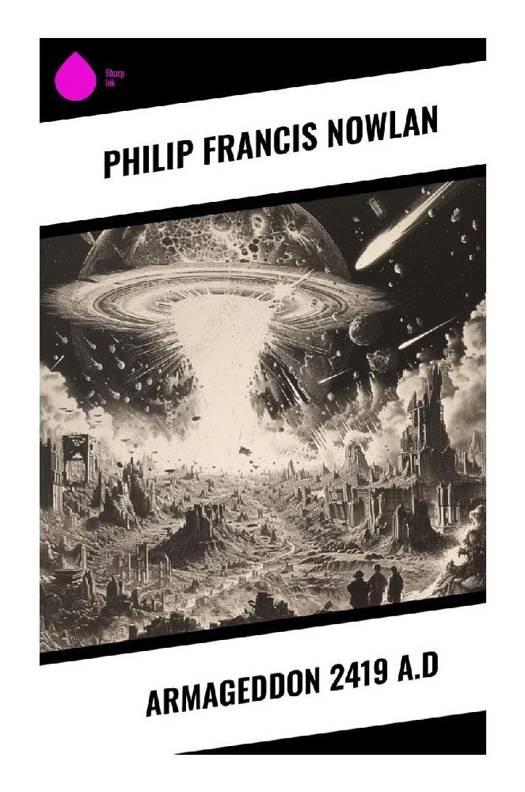
Armageddon 2419 A.D
A Buck Rogers Pulp Adventure of Suspended Animation, Future Rebellion, and Dystopian Warfare
Philip Francis Nowlan
Paperback | Engels
€ 9,95
+ 19 punten
Eenvoudig bestellen
Veilig betalen


Gratis thuislevering vanaf € 30 (via bpost)
Gratis levering in je Standaard Boekhandel
Omschrijving
Armageddon 2419 A.D. is a foundational work of American pulp science fiction, introducing Anthony "Buck" Rogers, a twentieth-century man who awakens after centuries of suspended animation into a North America dominated by the technologically powerful Han. Combining adventure romance, military speculation, and futurist gadgetry, the novella moves briskly through hidden communities, aerial warfare, and resistance strategy. Its style is lean, sensational, and inventive, firmly situated in the interwar magazine culture that shaped early space opera, while also reflecting the era's troubling racial and geopolitical anxieties. Philip Francis Nowlan (1888-1940), a writer and newspaper columnist, possessed the popular journalist's instinct for immediacy, clarity, and spectacle. His fascination with modern technology, mass communication, and national destiny helped produce a narrative in which scientific ingenuity becomes both weapon and hope. Published in Amazing Stories in 1928, the tale soon generated the Buck Rogers comic strip, making Nowlan one of the architects of modern science-fiction popular culture. Readers interested in the origins of genre science fiction, futuristic warfare, and the making of the American space-age imagination will find this book indispensable. Though historically dated in some assumptions, it remains a vigorous and revealing artifact of pulp modernity.
Specificaties
Betrokkenen
- Auteur(s):
- Uitgeverij:
Inhoud
- Taal:
- Engels
Eigenschappen
- Productcode (EAN):
- 9788028356293
- Uitvoering:
- Paperback
- Afmetingen:
- 152 mm x 229 mm
- Gewicht:
- 170 g


Alleen bij Standaard Boekhandel
+ 19 punten op je klantenkaart van Standaard Boekhandel
CADEAU

AANGERADEN


Beoordelingen
We publiceren alleen reviews die voldoen aan de voorwaarden voor reviews. Bekijk onze voorwaarden voor reviews.