


- Afhalen na 1 uur in een winkel met voorraad
- Gratis thuislevering in België vanaf € 30
- Ruim aanbod met 7 miljoen producten
- Afhalen na 1 uur in een winkel met voorraad
- Gratis thuislevering in België vanaf € 30
- Ruim aanbod met 7 miljoen producten





€ 60,95
+ 121 punten
Omschrijving
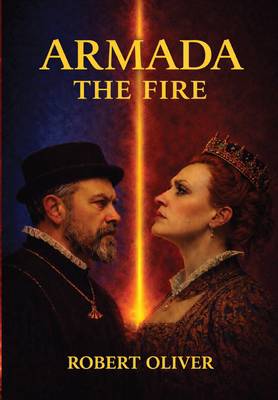
Armada: The Fire is a historical epic spanning 1553-1582, tracing the slow, deliberate breakdown of relations between Habsburg Spain and Tudor England as power shifts from cooperation to rivalry, and peace becomes increasingly fragile.
The novel opens with Emperor Charles V transferring of imperial burdens to his son, Philip of Spain-a prince shaped by duty, faith, and an inherited belief in order through authority. Philip's marriage to Queen Mary Tudor is forged not in romance, but in necessity: a strategic union meant to secure Catholic Europe, contain France, and stabilize England after years of religious upheaval. The marriage binds two crowns, but it also exposes the limits of alliance, as England resists foreign authority and Spain discovers that treaties can restrain as much as they empower.
As Mary's reign unfolds, the book follows the careful construction of power through councils, proclamations, legal safeguards, and religious restoration. Resistance simmers beneath public ceremony. Fear of foreign domination hardens English politics. Philip learns that influence in England must be exercised cautiously, through patience and restraint, even as his own sense of dignity and authority chafe against imposed limits.
With Mary's death and Elizabeth I's accession, the novel shifts into a new phase. Where Philip seeks unity through obedience, hierarchy, and faith, Elizabeth governs through timing, careful diplomacy, and control. She avoids direct confrontation while consolidating her authority, preserving England's independence through delay, legalism, and selective resistance. Diplomacy replaces marriage as the arena of conflict, and correspondence becomes as consequential as armies.
Across these decades, Armada: The Fire shows how war is not born suddenly, but assembled piece by piece: through treaties that disappoint, alliances that decay, religious divisions that harden, and rulers who learn that restraint can be as dangerous as aggression. The novel places equal weight on private doubt and public policy, revealing how personal conviction, political necessity, and historical circumstance collide.
Rather than centering on a single battle, Armada: The Fire examines the long preparation for catastrophe-the years in which Europe's future is decided quietly, before cannon fire and sail. By the book's end, the outlines of inevitable conflict are clear, and the forces that will one day meet in open war are already set in motion.
Specificaties
Betrokkenen
- Auteur(s):
- Uitgeverij:
Inhoud
- Aantal bladzijden:
- 482
- Taal:
- Engels
- Reeks:
Eigenschappen
- Productcode (EAN):
- 9798994443408
- Verschijningsdatum:
- 15/02/2026
- Uitvoering:
- Hardcover
- Formaat:
- Genaaid
- Afmetingen:
- 152 mm x 229 mm
- Gewicht:
- 793 g


Alleen bij Standaard Boekhandel
+ 121 punten op je klantenkaart van Standaard Boekhandel
Cadeau

AANGERADEN


Beoordelingen
We publiceren alleen reviews die voldoen aan de voorwaarden voor reviews. Bekijk onze voorwaarden voor reviews.