


- Afhalen na 1 uur in een winkel met voorraad
- Gratis thuislevering in België vanaf € 30
- Ruim aanbod met 7 miljoen producten
- Afhalen na 1 uur in een winkel met voorraad
- Gratis thuislevering in België vanaf € 30
- Ruim aanbod met 7 miljoen producten





€ 53,45
+ 106 punten
Omschrijving
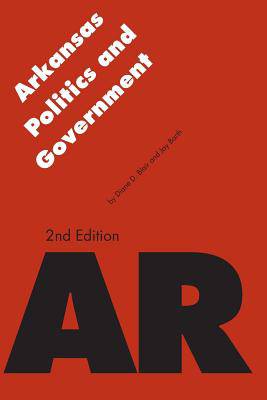
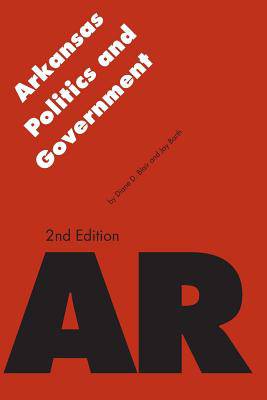
Published a decade and a half after the late Diane D. Blair's influential book Arkansas Politics and Government, this freshly revised edition builds on her work, which highlighted both the decades of failure by Arkansas's government to live up to the state's motto of Regnat Populus ("The People Rule") and the positive trends of democracy. Since the first edition, Arkansas has seen the two-term U.S. presidency of a native son, the retirement of players who defined the state's politics in the modern era, the further realignment of the state's electorate, the passage of the nation's most extreme legislative term limits, the complete overhaul of the state's court system, and the declaration that the state's public education system was unconstitutionally inadequate and inequitable. While maintaining the basic structure of Blair's original work with its focus on important historical patterns and the ways in which the past continues to shape the present, the second edition details the causes and consequences of recent changes in Arkansas and asks whether they are profound and permanent or merely transitory variations in symbol and style. Jay Barth argues that although Arkansas currently expresses a healthier representative democracy than throughout most of its history, its political and governmental entities are still sharply limited as effective instruments of "the people."
Specificaties
Betrokkenen
- Auteur(s):
- Uitgeverij:
Inhoud
- Aantal bladzijden:
- 497
- Taal:
- Engels
- Reeks:
Eigenschappen
- Productcode (EAN):
- 9780803261983
- Verschijningsdatum:
- 1/04/2005
- Uitvoering:
- Paperback
- Formaat:
- Trade paperback (VS)
- Afmetingen:
- 156 mm x 229 mm
- Gewicht:
- 684 g


Alleen bij Standaard Boekhandel
+ 106 punten op je klantenkaart van Standaard Boekhandel
Cadeau

AANGERADEN


Beoordelingen
We publiceren alleen reviews die voldoen aan de voorwaarden voor reviews. Bekijk onze voorwaarden voor reviews.