


- Afhalen na 1 uur in een winkel met voorraad
- Gratis thuislevering in België vanaf € 30
- Ruim aanbod met 7 miljoen producten
- Afhalen na 1 uur in een winkel met voorraad
- Gratis thuislevering in België vanaf € 30
- Ruim aanbod met 7 miljoen producten





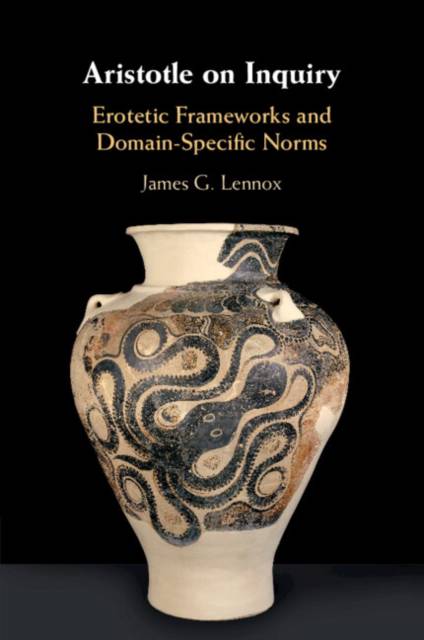
Aristotle on Inquiry
Erotetic Frameworks and Domain-Specific Norms
James G Lennox
Paperback | Engels
€ 53,45
+ 106 punten
Omschrijving
Aristotle is a rarity in the history of philosophy and science - he is a towering figure in the history of both disciplines. Moreover, he devoted a great deal of philosophical attention to the nature of scientific knowledge. How then do his philosophical reflections on scientific knowledge impact his actual scientific inquiries? In this book James Lennox sets out to answer this question. He argues that Aristotle has a richly normative view of scientific inquiry, and that those norms are of two kinds: a general, question-guided framework applicable to all scientific inquiries, and domain-specific norms reflecting differences in the target of inquiry and in the means of observation available to researchers. To see these norms of inquiry in action, the second half of this book examines Aristotle's investigations of animals, the soul, material compounds, the motions of heavenly bodies, and respiration.
Specificaties
Betrokkenen
- Auteur(s):
- Uitgeverij:
Inhoud
- Aantal bladzijden:
- 338
- Taal:
- Engels
Eigenschappen
- Productcode (EAN):
- 9781009382557
- Verschijningsdatum:
- 6/04/2023
- Uitvoering:
- Paperback
- Formaat:
- Trade paperback (VS)
- Afmetingen:
- 152 mm x 229 mm
- Gewicht:
- 453 g


Alleen bij Standaard Boekhandel
+ 106 punten op je klantenkaart van Standaard Boekhandel

Beoordelingen
We publiceren alleen reviews die voldoen aan de voorwaarden voor reviews. Bekijk onze voorwaarden voor reviews.