


- Afhalen na 1 uur in een winkel met voorraad
- Gratis thuislevering in België vanaf € 30
- Ruim aanbod met 7 miljoen producten
- Afhalen na 1 uur in een winkel met voorraad
- Gratis thuislevering in België vanaf € 30
- Ruim aanbod met 7 miljoen producten





€ 43,45
+ 86 punten
Uitvoering
Omschrijving
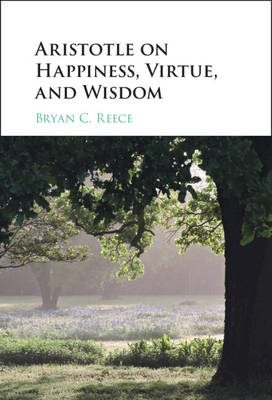
Aristotle thinks that happiness is an activity - it consists in doing something - rather than a feeling. It is the best activity of which humans are capable and is spread out over the course of a life. But what kind of activity is it? Some of his remarks indicate that it is a single best kind of activity, intellectual contemplation. Other evidence suggests that it is an overarching activity that has various virtuous activities, ethical and intellectual, as parts. Numerous interpreters have sharply disagreed about Aristotle's answers to such questions. In this book, Bryan Reece offers a fundamentally new approach to determining what kind of activity Aristotle thinks happiness is, one that challenges widespread assumptions that have until now prevented a dialectically satisfactory interpretation. His approach displays the boldness and systematicity of Aristotle's practical philosophy.
Specificaties
Betrokkenen
- Auteur(s):
- Uitgeverij:
Inhoud
- Aantal bladzijden:
- 172
- Taal:
- Engels
Eigenschappen
- Productcode (EAN):
- 9781108708234
- Verschijningsdatum:
- 1/05/2025
- Uitvoering:
- Paperback
- Formaat:
- Trade paperback (VS)
- Afmetingen:
- 152 mm x 229 mm
- Gewicht:
- 240 g


Alleen bij Standaard Boekhandel
+ 86 punten op je klantenkaart van Standaard Boekhandel
Cadeau

AANGERADEN


Beoordelingen
We publiceren alleen reviews die voldoen aan de voorwaarden voor reviews. Bekijk onze voorwaarden voor reviews.