


- Afhalen na 1 uur in een winkel met voorraad
- Gratis thuislevering in België vanaf € 30
- Ruim aanbod met 7 miljoen producten
- Afhalen na 1 uur in een winkel met voorraad
- Gratis thuislevering in België vanaf € 30
- Ruim aanbod met 7 miljoen producten





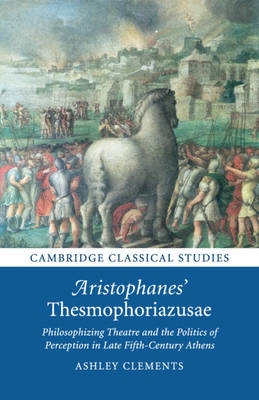
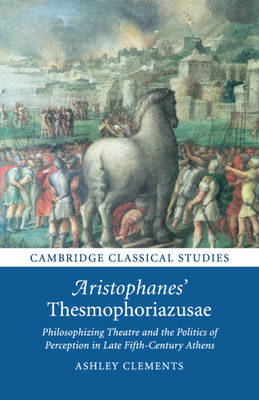
Aristophanes' Thesmophoriazusae
Philosophizing Theatre and the Politics of Perception in Late Fifth-Century Athens
Ashley Clements
€ 67,95
+ 135 punten
Omschrijving
Aristophanes' comic masterpiece Thesmophoriazusae has long been recognized amongst the plays of Old Comedy for its deconstruction of tragic theatricality. This book reveals that this deconstruction is grounded not simply in Aristophanes' wider engagement with tragic realism. Rather, it demonstrates that from its outset Aristophanes' play draws upon Parmenides' philosophical revelations concerning reality and illusion, employing Eleatic strictures and imagery to philosophize the theatrical situation, criticize Aristophanes' poetic rival Euripides as promulgator of harmful deceptions, expose the dangerous complicity of Athenian theatre audiences in tragic illusion, and articulate political advice to an audience negotiating a period of political turmoil characterized by deception and uncertainty (the months before the oligarchic coup of 411 BC). The book thereby restores Thesmophoriazusae to its proper status as a philosophical comedy and reveals hitherto unrecognized evidence of Aristophanes' political use of Eleatic ideas during the late fifth century BC.
Specificaties
Betrokkenen
- Auteur(s):
- Uitgeverij:
Inhoud
- Aantal bladzijden:
- 244
- Taal:
- Engels
- Reeks:
Eigenschappen
- Productcode (EAN):
- 9781108820240
- Verschijningsdatum:
- 28/05/2020
- Uitvoering:
- Paperback
- Formaat:
- Trade paperback (VS)
- Afmetingen:
- 140 mm x 216 mm
- Gewicht:
- 285 g


Alleen bij Standaard Boekhandel
+ 135 punten op je klantenkaart van Standaard Boekhandel
CADEAU

AANGERADEN


Beoordelingen
We publiceren alleen reviews die voldoen aan de voorwaarden voor reviews. Bekijk onze voorwaarden voor reviews.