


- Afhalen na 1 uur in een winkel met voorraad
- Gratis thuislevering in België vanaf € 30
- Ruim aanbod met 7 miljoen producten
- Afhalen na 1 uur in een winkel met voorraad
- Gratis thuislevering in België vanaf € 30
- Ruim aanbod met 7 miljoen producten





€ 58,95
+ 117 punten
Omschrijving
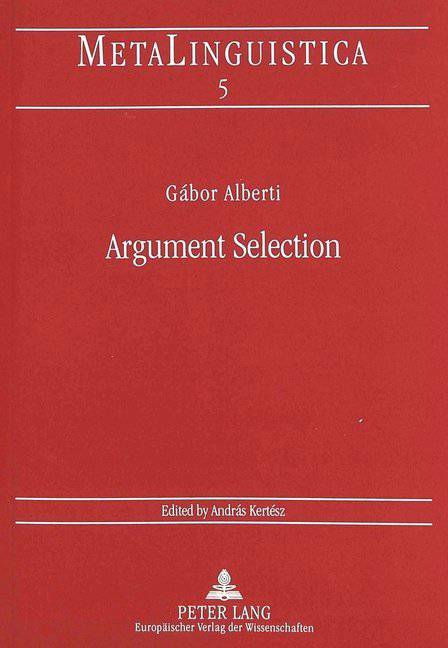
A new thematic theory is demonstrated in this book. Thematic theories and their antecedents (Gruber 1965, Fillmore 1968) are to account for morphosyntactic phenomena (concerning argument structures) whose determining factors are likely to be of a semantic nature/origin. But what is the relevant semantic information? And how is it to be captured (and formalized)? As is shown by the wide variety of competing current thematic theories, there is no consensus upon these crucial questions. The novel starting-point proposed in this book is the creation of a semantic basis where traditional roles (Agent, Patient, Instrument, etc.) are dispensed with. Instead, a special comparative analysis of morphologically related argument structure versions will provide the relevant semantic information, which makes it possible to associate argument frames with rich internal structures via exact formal calculations. Abstract positions in these internal structures are substituted for thematic roles, in harmony with the spirit of Saussure's structuralism.
Specificaties
Betrokkenen
- Auteur(s):
- Uitgeverij:
Inhoud
- Aantal bladzijden:
- 190
- Taal:
- Engels
- Reeks:
- Reeksnummer:
- nr. 5
Eigenschappen
- Productcode (EAN):
- 9783631322024
- Verschijningsdatum:
- 1/10/1997
- Uitvoering:
- Paperback
- Formaat:
- Trade paperback (VS)
- Afmetingen:
- 148 mm x 210 mm
- Gewicht:
- 279 g


Alleen bij Standaard Boekhandel
+ 117 punten op je klantenkaart van Standaard Boekhandel
CADEAU

AANGERADEN


Beoordelingen
We publiceren alleen reviews die voldoen aan de voorwaarden voor reviews. Bekijk onze voorwaarden voor reviews.