


- Afhalen na 1 uur in een winkel met voorraad
- Gratis thuislevering in België vanaf € 30
- Ruim aanbod met 7 miljoen producten
- Afhalen na 1 uur in een winkel met voorraad
- Gratis thuislevering in België vanaf € 30
- Ruim aanbod met 7 miljoen producten





Omschrijving
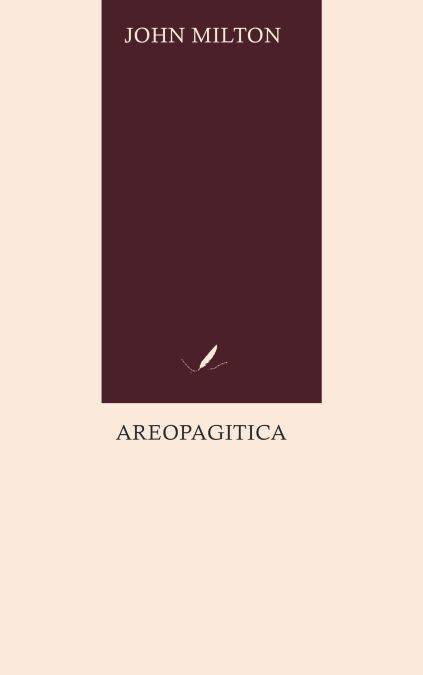
John Milton's Areopagitica is a landmark work of political and literary thought, passionately defending freedom of expression and the liberty of the press. First published in 1644, this eloquent treatise remains one of the most influential arguments for intellectual freedom and the rights of individuals to access and disseminate knowledge.
In Areopagitica, Milton addresses the English Parliament, opposing a proposed law that would impose pre-publication censorship on books and pamphlets. He argues that the free exchange of ideas is essential for personal growth, moral development, and the progress of society. Milton contends that true understanding and virtue emerge not from restriction but from open inquiry, critical thinking, and the rigorous evaluation of ideas.
Milton's work is notable for its persuasive rhetoric, profound moral reasoning, and timeless relevance. Drawing upon classical references, religious thought, and philosophical principles, he demonstrates that censorship not only stifles creativity and knowledge but also undermines the intellectual and spiritual development of individuals. Areopagitica emphasizes the responsibility of readers and thinkers to discern truth from falsehood and highlights the vital connection between liberty, education, and human flourishing.
Areopagitica is more than a historical pamphlet; it is a timeless manifesto advocating for the free flow of ideas, the defense of intellectual autonomy, and the moral imperative of open discourse. Milton's vision continues to resonate in contemporary debates on free speech, media regulation, and the ethical responsibilities of both writers and readers.
Essential for students of literature, philosophy, political science, law, and history, Areopagitica offers both a powerful defense of freedom and a profound meditation on the responsibilities inherent in human knowledge and expression. Milton's eloquence and reasoning make this work a cornerstone of the enduring struggle for liberty and the intellectual empowerment of society.
In Areopagitica, Milton addresses the English Parliament, opposing a proposed law that would impose pre-publication censorship on books and pamphlets. He argues that the free exchange of ideas is essential for personal growth, moral development, and the progress of society. Milton contends that true understanding and virtue emerge not from restriction but from open inquiry, critical thinking, and the rigorous evaluation of ideas.
Milton's work is notable for its persuasive rhetoric, profound moral reasoning, and timeless relevance. Drawing upon classical references, religious thought, and philosophical principles, he demonstrates that censorship not only stifles creativity and knowledge but also undermines the intellectual and spiritual development of individuals. Areopagitica emphasizes the responsibility of readers and thinkers to discern truth from falsehood and highlights the vital connection between liberty, education, and human flourishing.
Areopagitica is more than a historical pamphlet; it is a timeless manifesto advocating for the free flow of ideas, the defense of intellectual autonomy, and the moral imperative of open discourse. Milton's vision continues to resonate in contemporary debates on free speech, media regulation, and the ethical responsibilities of both writers and readers.
Essential for students of literature, philosophy, political science, law, and history, Areopagitica offers both a powerful defense of freedom and a profound meditation on the responsibilities inherent in human knowledge and expression. Milton's eloquence and reasoning make this work a cornerstone of the enduring struggle for liberty and the intellectual empowerment of society.
Specificaties
Betrokkenen
- Auteur(s):
- Uitgeverij:
Inhoud
- Aantal bladzijden:
- 63
- Taal:
- Engels
Eigenschappen
- Productcode (EAN):
- 9787607844824
- Verschijningsdatum:
- 28/03/2026
- Uitvoering:
- E-book
- Beveiligd met:
- Digital watermarking
- Formaat:
- ePub


Alleen bij Standaard Boekhandel
Cadeau

AANGERADEN


Beoordelingen
We publiceren alleen reviews die voldoen aan de voorwaarden voor reviews. Bekijk onze voorwaarden voor reviews.