


- Afhalen na 1 uur in een winkel met voorraad
- Gratis thuislevering in België vanaf € 30
- Ruim aanbod met 7 miljoen producten
- Afhalen na 1 uur in een winkel met voorraad
- Gratis thuislevering in België vanaf € 30
- Ruim aanbod met 7 miljoen producten





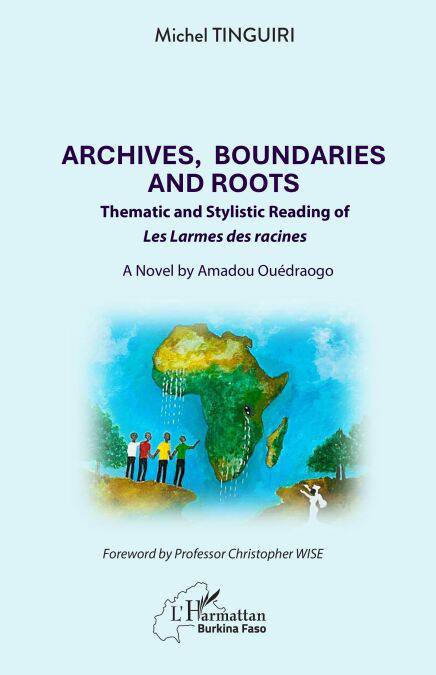
Archives, Boundaries and Roots E-BOOK
Thematic and Stylistic Reading of Les Larmes des racines - A Novel by Amadou Ouédraogo
Michel Tinguiri
E-book | Engels
€ 17,99
+ 17 punten
Uitvoering
Omschrijving
The study explores the novel’s settings, from Sodeni and Govié to the Upper Savannah and the United States, highlighting the symbiotic relationship between place and identity. It explores Amadou Ouédraogo’s use of evocative symbols and metaphors that echo prevalent themes in African literature, including dual identity and post-colonial reckonings, and the emblematic theme of return. The analysis contextualizes the novel within contemporary African literary theory, establishing meaningful connections with seminal thinkers such as Frantz Fanon, Aimé Césaire, and Ngugi wa Thiong’o. Through multiple theoretical frameworks, including autoethnography, Neo-Fanonism, and Mircea Eliade’s conceptualization of sacred and cyclical time, the study positions Les larmes des racines as a significant contribution to African literature, African studies, anthropology, and the broader humanities.
Specificaties
Betrokkenen
- Auteur(s):
- Uitgeverij:
Inhoud
- Aantal bladzijden:
- 220
- Taal:
- Engels
Eigenschappen
- Productcode (EAN):
- 9782336507620
- Verschijningsdatum:
- 8/01/2025
- Uitvoering:
- E-book
- Beveiligd met:
- Digital watermarking
- Formaat:


Alleen bij Standaard Boekhandel
+ 17 punten op je klantenkaart van Standaard Boekhandel
AANGERADEN


Beoordelingen
We publiceren alleen reviews die voldoen aan de voorwaarden voor reviews. Bekijk onze voorwaarden voor reviews.