



- Afhalen na 1 uur in een winkel met voorraad
- In januari gratis thuislevering in België
- Ruim aanbod met 7 miljoen producten
- Afhalen na 1 uur in een winkel met voorraad
- In januari gratis thuislevering in België
- Ruim aanbod met 7 miljoen producten





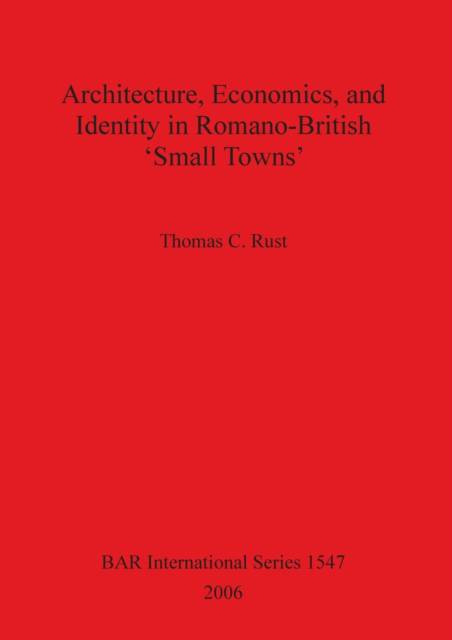
Architecture Economics and Identity in Romano-British 'Small Towns'
Thomas C Rust
€ 143,95
+ 287 punten
Omschrijving
Roman 'small towns' were an important link between the urban civitas capitals and the rural population and offer an ideal case study for examining the extent of Roman influence permeating into the rural provinces. Thomas Rust's study looks at 67 Romano-British sites, including Alcester, Bath, Cambridge, Dragonby, Ilchester, Richborough, Rochester and Whitchurch, exploring the extent to which they adopted and adapted to Roman cultural influences. In particular, Rust traces this 'Romanisation' through changes in building traditions, especially the shift from timber to masonry from the mid-2nd to early 3rd century. The study includes a gazetteer of sites, and lots of useful tables and illustrations.
Specificaties
Betrokkenen
- Auteur(s):
- Uitgeverij:
Inhoud
- Aantal bladzijden:
- 292
- Taal:
- Engels
- Reeks:
- Reeksnummer:
- nr. 1547
Eigenschappen
- Productcode (EAN):
- 9781841717609
- Verschijningsdatum:
- 31/12/2006
- Uitvoering:
- Paperback
- Formaat:
- Trade paperback (VS)
- Afmetingen:
- 210 mm x 297 mm
- Gewicht:
- 943 g


Alleen bij Standaard Boekhandel
+ 287 punten op je klantenkaart van Standaard Boekhandel
Cadeau

AANGERADEN


Beoordelingen
We publiceren alleen reviews die voldoen aan de voorwaarden voor reviews. Bekijk onze voorwaarden voor reviews.