


- Afhalen na 1 uur in een winkel met voorraad
- Gratis thuislevering in België vanaf € 30
- Ruim aanbod met 7 miljoen producten
- Afhalen na 1 uur in een winkel met voorraad
- Gratis thuislevering in België vanaf € 30
- Ruim aanbod met 7 miljoen producten





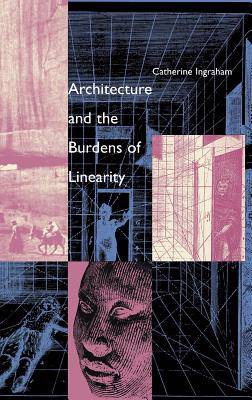
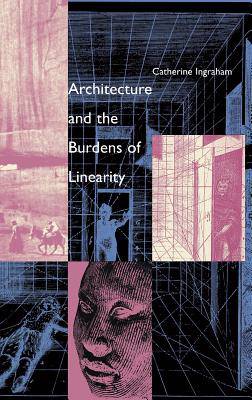
Architecture and the Burdens of Linearity
Catherine Ingraham
€ 105,45
+ 210 punten
Omschrijving
In this suggestive inquiry into the operations of linearity in architectural theory and practice, Catherine Ingraham investigates the line as both a conceptual and literal force in architecture. She approaches her subject from philosophical, theoretical, practical, and historical points of view, finding the following points of convergence: architecture's relation to property, politics, and economy; architecture's relation to propriety and the need to keep things "in line"; and architecture's relation to the proper name, human identity, object identity, and spatial location and demarcation. In this engaging discussion, Ingraham considers maps, architectural plans, the laws of geometry, systems of architectural knowledge, and mythologies of architectural origin in work by Le Corbusier, Vitruvius, Alberti, Tafuri, Derrida, Lévi-Strauss, Shakespeare, Lacan, Deleuze, Rilke, and Stendhal. Entering the current complex debates about the relation between theory and practice in architecture, the author also addresses themes in psychoanalytic criticism, poststructural theory, and feminist criticism. Her examination thus moves beyond architecture and its literal structures to the notion of epistemological structure that architecture as a discipline and practice upholds and promotes.
Specificaties
Betrokkenen
- Auteur(s):
- Uitgeverij:
Inhoud
- Aantal bladzijden:
- 210
- Taal:
- Engels
- Reeks:
Eigenschappen
- Productcode (EAN):
- 9780300071191
- Verschijningsdatum:
- 1/03/1998
- Uitvoering:
- Hardcover
- Formaat:
- Genaaid
- Afmetingen:
- 162 mm x 261 mm
- Gewicht:
- 453 g


Alleen bij Standaard Boekhandel
+ 210 punten op je klantenkaart van Standaard Boekhandel
Cadeau

AANGERADEN


Beoordelingen
We publiceren alleen reviews die voldoen aan de voorwaarden voor reviews. Bekijk onze voorwaarden voor reviews.