


- Afhalen na 1 uur in een winkel met voorraad
- Gratis thuislevering in België vanaf € 30
- Ruim aanbod met 7 miljoen producten
- Afhalen na 1 uur in een winkel met voorraad
- Gratis thuislevering in België vanaf € 30
- Ruim aanbod met 7 miljoen producten





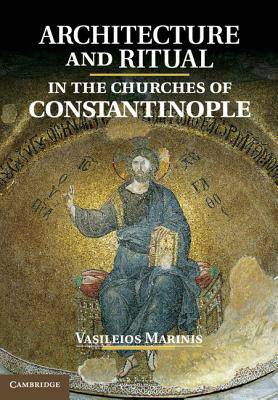
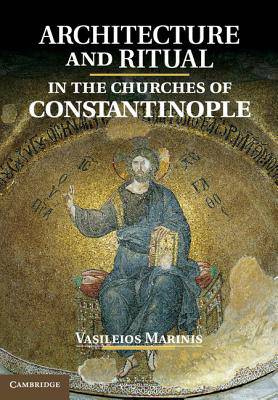
Architecture and Ritual in the Churches of Constantinople
Ninth to Fifteenth Centuries
Vasileios Marinis
Hardcover | Engels
€ 191,95
+ 383 punten
Omschrijving
This book examines the interchange of architecture and ritual in the Middle and Late Byzantine churches of Constantinople (ninth to fifteenth centuries). It employs archaeological and archival data, hagiographic and historical sources, liturgical texts and commentaries, and monastic typika and testaments to integrate the architecture of the medieval churches of Constantinople with liturgical and extra-liturgical practices and their continuously evolving social and cultural context. The book argues against the approach that has dominated Byzantine studies: that of functional determinism, the view that architectural form always follows liturgical function. Instead, proceeding chapter by chapter through the spaces of the Byzantine church, it investigates how architecture responded to the exigencies of the rituals, and how church spaces eventually acquired new uses. The church building is described in the context of the culture and people whose needs it was continually adapted to serve. Rather than viewing churches as frozen in time (usually the time when the last brick was laid), this study argues that they were social constructs and so were never finished, but continually evolving.
Specificaties
Betrokkenen
- Auteur(s):
- Uitgeverij:
Inhoud
- Aantal bladzijden:
- 262
- Taal:
- Engels
Eigenschappen
- Productcode (EAN):
- 9781107040168
- Verschijningsdatum:
- 13/01/2014
- Uitvoering:
- Hardcover
- Formaat:
- Genaaid
- Afmetingen:
- 178 mm x 257 mm
- Gewicht:
- 771 g


Alleen bij Standaard Boekhandel
+ 383 punten op je klantenkaart van Standaard Boekhandel
Cadeau

AANGERADEN


Beoordelingen
We publiceren alleen reviews die voldoen aan de voorwaarden voor reviews. Bekijk onze voorwaarden voor reviews.